

Gary Rossington on Lynyrd Skynyrd’s Origins, Ronnie Van Zant, and 50 Years of Survival
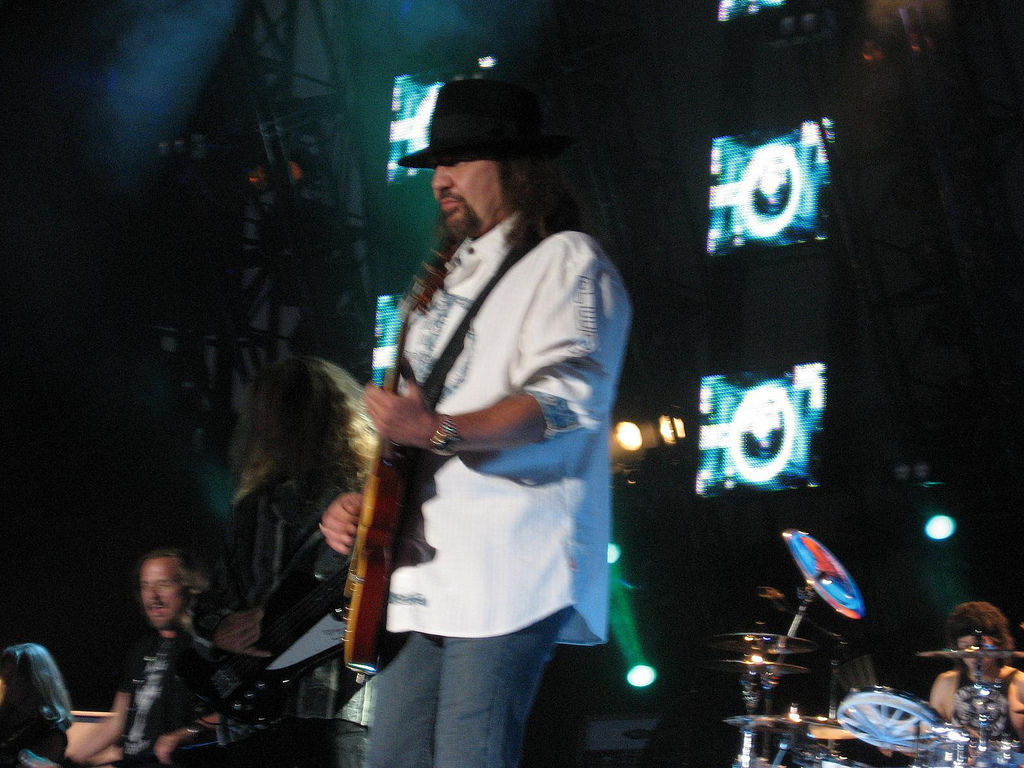
A 2012 interview with the last surviving founding member reveals the Jacksonville roots, the rivalries, and the man who held it all together.
Gary Rossington, the sole founding member of Lynyrd Skynyrd to remain with the band until his death in March 2023, sat down with Classic Rock in 2012 to trace the band's full arc: from a loose collection of Jacksonville teenagers who barely knew three chords to one of the defining acts in American rock history. The conversation covered Ronnie Van Zant's iron authority, the British blues invasion that lit the fuse, and what it meant to dedicate five decades to a band that nearly ended in a Mississippi swamp in 1977.
From Jacksonville Teenagers to Lynyrd Skynyrd
Rossington was born on December 4, 1951 in Jacksonville, Florida, and by the time he was 13 he had already fallen under the spell of the British Invasion. ‘Like every kid in America, I wanted to be a Beatle,' he said. That impulse led him to a circle of like-minded friends that included Ronnie Van Zant and Allen Collins, and the three began learning together from the ground up.
The early days were modest by any measure. Rossington recalled that he knew a couple of chords, Van Zant could not sing at all, and none of them believed they could ever write a song. The band cycled through names, including The Noble Five and The One Per Cent, and went through several lineup changes before things began to crystallize around 1969.
The turning point, Rossington said, was seeing the British band Free perform at a skating rink in Jacksonville. ‘After that, we started rehearsing real hard, and that's when we got into writing.' The name Lynyrd Skynyrd, a sardonic nod to their high school teacher Leonard Skinner, arrived around 1970. Rossington admitted it seemed ‘kinda goofy' at the time, but it stuck.
The Blues Foundation Beneath the Southern Rock Surface
Rossington was direct about the musical DNA that shaped the band. His guitar heroes were Paul Kossoff, Eric Clapton, Jimi Hendrix, and Jeff Beck, but the deeper well was the blues. He cited Paul Butterfield, John Mayall, Muddy Waters, Son House, and Howlin' Wolf as foundational influences, and offered a simple explanation for why: ‘Everybody was blues-influenced, because rock'n'roll evolved from blues. Blues is where it's at.'
That lineage is easy to hear in Skynyrd's catalog, from the slow-burn guitar interplay on ‘Tuesday's Gone' to the raw Delta feeling underneath ‘Simple Man.' Rossington and Collins developed their complementary styles in direct conversation with that tradition, even as the band built a sound that became synonymous with the American South.
Ronnie Van Zant: The Undisputed Center of Gravity
No part of the interview carried more weight than Rossington's portrait of Van Zant. The singer was a few years older than the rest of the group, and that gap translated into a natural authority that nobody questioned. ‘Ronnie was just a born leader,' Rossington said. Van Zant taught the younger members to drive, introduced them to the rhythms of adult life, and served as the band's primary financial resource, either through his own work or through his girlfriend at the time.
The authority was not purely social. Van Zant had a reputation as the toughest fighter in the neighborhood, and Rossington described it with a kind of fond awe. ‘He was dirty as hell. Nobody would fight dirty like him. He'd just pick a lamp up and hit you before you knew what happened.' The result was a rehearsal room where nobody dared show up late.
That combination of personal charisma, street credibility, and genuine musical vision made Van Zant irreplaceable. When he died in the October 1977 plane crash along with guitarist Steve Gaines and backup singer Cassie Gaines, the band effectively ceased to exist for nearly a decade. Rossington himself survived the crash despite serious injuries, a fact that shadowed the rest of his career and gave his reflections on Van Zant a particular gravity.
The Guitar Partnership and What Drove It
Rossington also touched on the competitive dynamic between himself and Allen Collins. The two pushed each other, and Rossington suggested that the rivalry had a practical dimension rooted in their personal lives at the time, though the source text cuts off before the full anecdote is complete.
That creative tension between Rossington and Collins, later expanded to include Ed King and then Steve Gaines, became one of the band's signatures. The three-guitar attack on tracks like ‘Free Bird' and ‘That Smell' was not a studio trick; it grew out of years of players who genuinely competed with and complemented each other.
What we know
- Gary Rossington was born on December 4, 1951 in Jacksonville, Florida, and was the last surviving founding member of Lynyrd Skynyrd still active with the band until his death in March 2023.
- Rossington said he was 13 years old when he formed a band with Ronnie Van Zant and Allen Collins.
- The band used earlier names including The Noble Five and The One Per Cent before settling on Lynyrd Skynyrd around 1970.
- Rossington credited seeing the band Free perform at a skating rink in Jacksonville around 1969 as the moment the group got serious about rehearsing and writing.
- Rossington named Paul Kossoff, Eric Clapton, Jimi Hendrix, and Jeff Beck as his all-time guitar favorites, and cited blues artists including Paul Butterfield, John Mayall, Muddy Waters, Son House, and Howlin' Wolf as core influences.
- The band's name Lynyrd Skynyrd was derived from their high school teacher Leonard Skinner.
- Rossington described Van Zant as the band's financial source and said Van Zant taught the younger members to drive and other life skills.
The take
Rossington's 2012 reflections land differently now that he is gone. He was, for the last several decades of Skynyrd's existence, the living thread connecting every era of the band, from the Jacksonville rehearsal rooms of the late 1960s through the post-reunion years that stretched into the 2010s. His willingness to keep the band going after the 1977 crash, and again after Allen Collins became paralyzed following a 1986 car accident, said something about both his loyalty and his identity. Skynyrd was not a job for Rossington; it was the organizing fact of his life.
The portrait of Van Zant he offers here fits what historians of Southern rock have long argued: that Skynyrd's greatness was inseparable from Van Zant's force of personality. Bands with that kind of dominant center tend to either fracture without it or calcify into tribute acts. Skynyrd managed a third path, partly because Rossington was present to provide continuity and partly because the catalog was strong enough to sustain a legacy on its own terms.
The blues lineage Rossington describes is also worth taking seriously. Skynyrd is often filed under Southern rock or country rock, but the actual guitar vocabulary he and Collins developed came straight out of the British blues revival, filtered through Kossoff and Clapton. That context helps explain why the band's best work holds up across generations of listeners who may have no particular attachment to Southern identity.
Why it matters
For Classic Rock listeners, this interview is a primary document. Rossington was the only person who lived every chapter of Skynyrd's story from the beginning, and his account of Van Zant's leadership and the band's blues roots offers context that no outside observer could provide. With Rossington now gone, interviews like this one become the closest thing to a firsthand record of how one of America's most consequential rock bands actually came together, and what kept it alive through decades of loss.
What's next
The 2012 interview was conducted while Rossington was still an active member of Lynyrd Skynyrd. He continued with the band until his death in March 2023. No further developments tied to this specific interview are indicated in the available source material.
Frequently asked questions
When did Gary Rossington die?
Gary Rossington died in March 2023. He was the last surviving founding member of Lynyrd Skynyrd still active with the band.
How did Lynyrd Skynyrd get their name?
The band named themselves after their high school teacher Leonard Skinner. Rossington admitted the name seemed ‘kinda goofy' at the time but said it caught on.
Who were Gary Rossington's biggest guitar influences?
Rossington cited Paul Kossoff, Eric Clapton, Jimi Hendrix, and Jeff Beck as his all-time favorites, and also pointed to blues artists including Paul Butterfield, John Mayall, Muddy Waters, Son House, and Howlin' Wolf.
What band inspired Lynyrd Skynyrd to get serious about music?
Rossington said seeing the British band Free play at a skating rink in Jacksonville around 1969 was the turning point that pushed the group to rehearse harder and start writing original material.
What was Ronnie Van Zant's role in Lynyrd Skynyrd?
Rossington described Van Zant as a born leader who was older than the rest of the group, served as the band's financial source, and commanded enough respect that no one dared show up late to practice.
Related coverage
TOP STORIES
RELATED ARTISTS
Related Stories
Metallica Defies Principality Stadium Ban, Performs Tom Jones’ ‘Delilah’ in Cardiff
Metallica defied a standing ban at Cardiff’s Principality Stadium by performing Tom Jones’ ‘Delilah’ during their M72 World Tour stop in Wales.
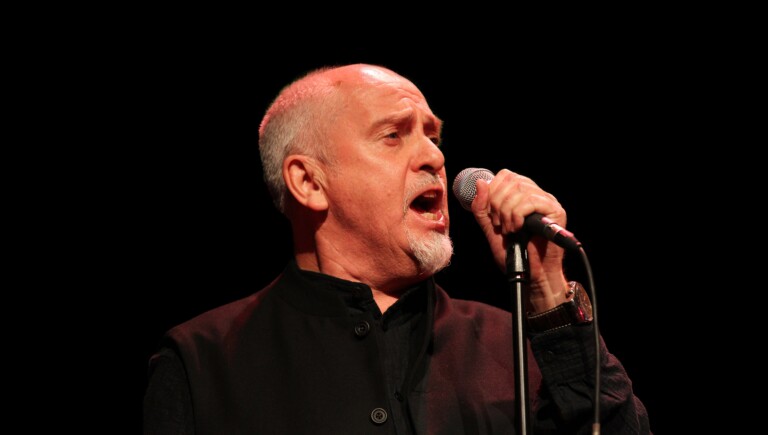
Peter Gabriel Releases ‘I Belong to the Sky,’ Seventh Track from Upcoming Album o/i
Peter Gabriel has released ‘I Belong to the Sky,’ the seventh full-moon single from his upcoming album o/i, featuring drummer Manu Katché and artwork by
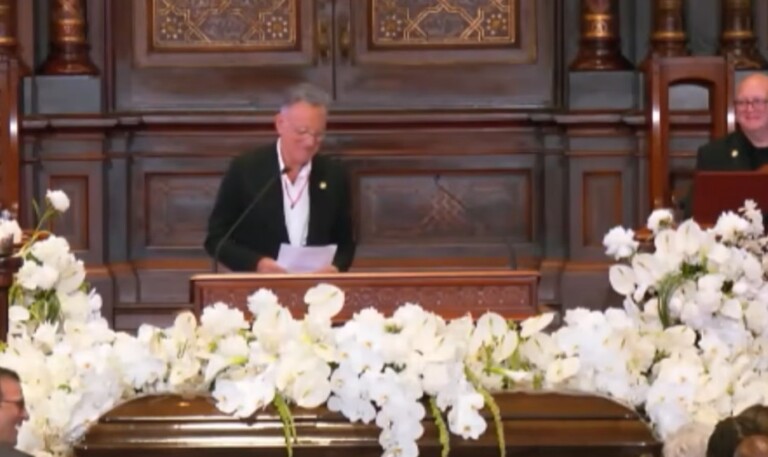
Bruce Springsteen Eulogizes Clive Davis: ‘He Changed My Life Forever’
Bruce Springsteen delivered a moving eulogy at Clive Davis’s New York funeral, recalling how the legendary executive signed him to Columbia Records in 1972.
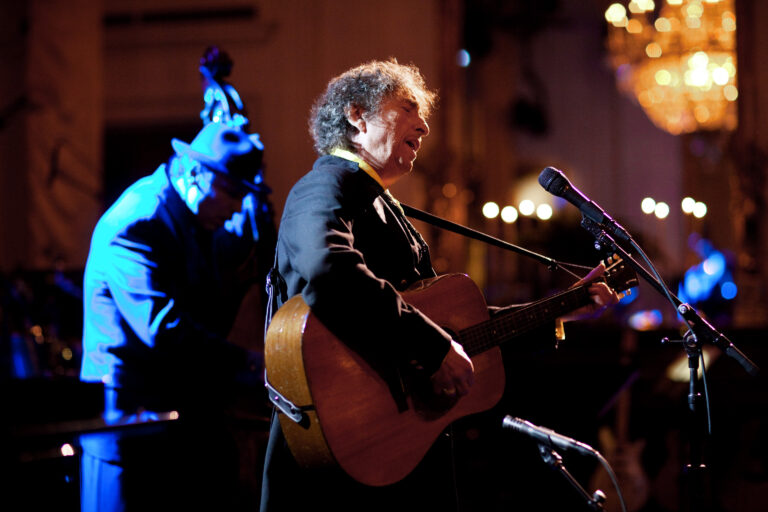
Bob Britt Talks About Why He Quit Dylan’s Band as Joel Paterson Steps In
Guitarist Bob Britt has quit Bob Dylan’s Long Hot Summer Tour ’26 mid-run, saying he left of his own accord. Joel Paterson has been recruited to fill the
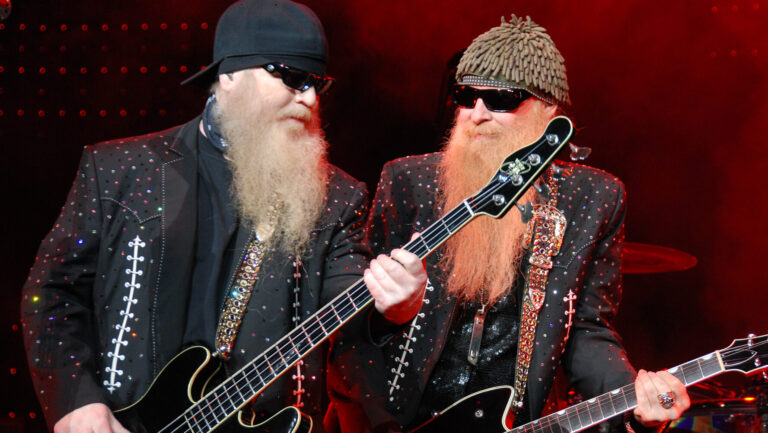
ZZ Top and Cheap Trick Extend 2026 Tour With New European and U.S. Dates
ZZ Top and Cheap Trick have added new dates to their 2026 tour, including European stops and rescheduled U.S. shows. Presale begins July 1 with code CTLIVE.
Bob Dylan Loses Two Guitarists Mid-Tour as Bob Britt Quits
Bob Dylan’s acoustic guitarist Bob Britt quit mid-tour with a cryptic ‘Sayonara Bobby’ post, while electric guitarist Doug Lancio also quietly departed the
Stevie Nicks Expected to Perform at Taylor Swift’s MSG Wedding
Rolling Stone reports Stevie Nicks is expected to perform at Taylor Swift and Travis Kelce’s rumored Fourth of July wedding at Madison Square Garden.
B-52s Blame Promoter After Tornado Destroys Gear at French Festival
The B-52s narrowly avoided catastrophe at the Retro C Trop festival in France after a tornado struck the venue, destroying keyboards, laptops, and more gear.
Metallica Donate £20,000 to Cardiff Foodbank Through All Within My Hands Foundation
Metallica donated £20,000 to Cardiff Foodbank through their All Within My Hands foundation after a sell-out M72 World Tour date at the Welsh capital on June 28.