

Diamond Dave Cashes In: David Lee Roth Joins the Rock Royalty Catalog Gold Rush
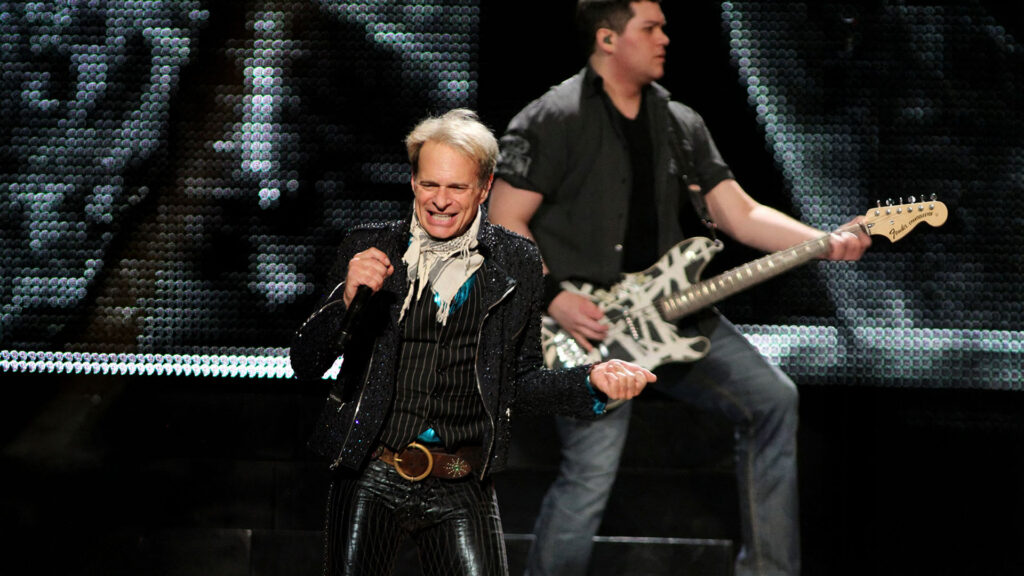
There is a particular kind of grin that only appears on the face of a man who has just been handed a check large enough to bend the laws of physics. David Lee Roth was wearing it backstage at Coachella earlier this month, fresh off a surprise cameo with Teddy Swims for a barnstorming run through “Jump,” when an Associated Press reporter caught him in a candid moment. The 71-year-old former Van Halen frontman, never one to undersell a moment, leaned in and dropped a bombshell that the music industry had somehow failed to leak for the better part of a year.
“I sold my publishing eight months ago,” Roth said, before mischievously instructing the reporter to ask him how he felt about it. The answer, delivered with the theatrical timing of a man who has spent five decades perfecting the art of the punchline, was vintage Diamond Dave. “Rich. For the first time in my life, I can rub two coins together and create a little interest. No, really.”
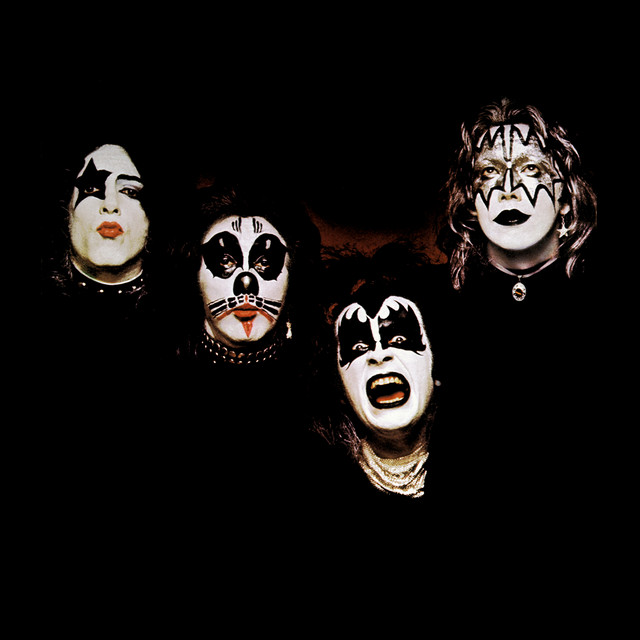
Just like that, Roth joined what has quietly become the most exclusive club in rock and roll: legacy artists turning their songbooks into Brinks trucks. Neither Roth nor any reported buyer has disclosed the price tag, but the comparable deals stacked up around him paint a vivid picture. Bruce Springsteen reportedly cashed out to Sony for north of half a billion dollars. Bob Dylan walked away with around $300 million from Universal. Stevie Nicks got an estimated $100 million from Primary Wave for her share. Queen, in the deal that broke the ceiling and rebuilt it somewhere closer to the stratosphere, sold to Sony Music last year for roughly $1.27 billion. KISS, perhaps the most relevant comparison given Roth's similar role as showman-frontman of a hard rock juggernaut, took home an estimated $300-plus million from Pophouse Entertainment Group in April 2024.
Roth's stake in the Van Halen songbook is no small thing. He has long claimed authorship of every word, syllable and melody he ever sang during the band's classic era, and his lyrical fingerprints are all over the first six albums that turned a Pasadena bar band into one of the defining rock acts of the twentieth century. “Runnin' with the Devil.” “Panama.” “Hot for Teacher.” “Unchained.” “Jump.” These are not deep cuts gathering dust on a shelf. They are radio perennials, sync-licensing magnets, and streaming workhorses that generate revenue every single day across every platform humans use to consume music. The publishing rights to that catalog, which cover the underlying compositions rather than the master recordings, throw off cash every time those songs get spun, synced, sampled, performed live, or piped into a sports arena.
Why now, and why him? The answer is the same one driving every other gray-haired rock legend toward the negotiating table. Estate planning, tax efficiency, and the simple math of converting decades of unpredictable royalty streams into one enormous lump sum that can be parked in safe, boring instruments and left to generate boring, beautiful interest. When royalties come in as ordinary income, California artists can lose nearly half to combined federal and state taxes. A catalog sale, by contrast, is generally treated as a capital asset and taxed at long-term capital gains rates closer to 20 percent. The math practically writes itself.
Investors are happy to play along. Major labels, private equity firms, and specialty rights vehicles like Hipgnosis and Primary Wave have collectively poured billions into legacy catalogs over the past five years, betting that streaming growth, sync demand, and the long tail of copyright protection will keep these old songs paying out for the next seventy years. From their perspective, a Van Halen lyric written in 1978 is a better-yielding asset than most things you can buy on the open market, and it never asks for a raise.
Roth, for his part, is not exactly riding off into the sunset to count his money. He kicked off a 30-date North American solo tour earlier this month in Airway Heights, Washington, with stops scheduled across multiple states through the summer and a marquee appearance at the Sturgis Buffalo Chip in August. The Coachella cameo with Teddy Swims, born of what Roth described as a shared working-class musical sensibility, suggests the old showman is having more fun than he has in years.
He is also, finally and by his own cheerful admission, rich.

Related Stories
Bob Dylan Loses Two Guitarists Mid-Tour as Bob Britt Quits
Bob Dylan’s acoustic guitarist Bob Britt quit mid-tour with a cryptic ‘Sayonara Bobby’ post, while electric guitarist Doug Lancio also quietly departed the
Stevie Nicks Expected to Perform at Taylor Swift’s MSG Wedding
Rolling Stone reports Stevie Nicks is expected to perform at Taylor Swift and Travis Kelce’s rumored Fourth of July wedding at Madison Square Garden.
B-52s Blame Promoter After Tornado Destroys Gear at French Festival
The B-52s narrowly avoided catastrophe at the Retro C Trop festival in France after a tornado struck the venue, destroying keyboards, laptops, and more gear.
Metallica Donate £20,000 to Cardiff Foodbank Through All Within My Hands Foundation
Metallica donated £20,000 to Cardiff Foodbank through their All Within My Hands foundation after a sell-out M72 World Tour date at the Welsh capital on June 28.
Rolling Stones Drop ‘Jealous Lover’ and Robert Smith Collab Ahead of ‘Foreign Tongues’
The Rolling Stones release ‘Jealous Lover’ and ‘Divine Intervention’ featuring the Cure’s Robert Smith ahead of their July 10 album Foreign Tongues.
Lionel Richie Postpones Two Shows After Medical Scare in St. Paul
Lionel Richie postponed his June 26 Chicago and June 27 Columbus shows on doctors’ orders after cutting short his St. Paul concert on his co-headlining tour
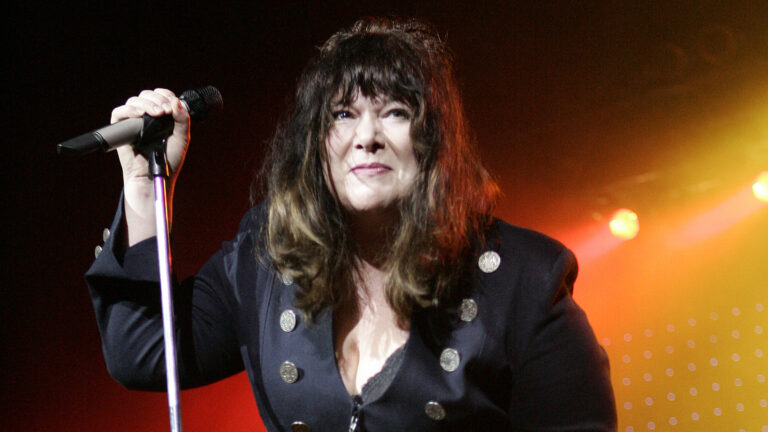
Ann Wilson and Tripsitter Announce ‘Consecrated Ground,’ Fall Tour Dates
Ann Wilson and Tripsitter announce their second album, Consecrated Ground, out August 14, plus a 15-date North American fall tour. Full tracklist and dates
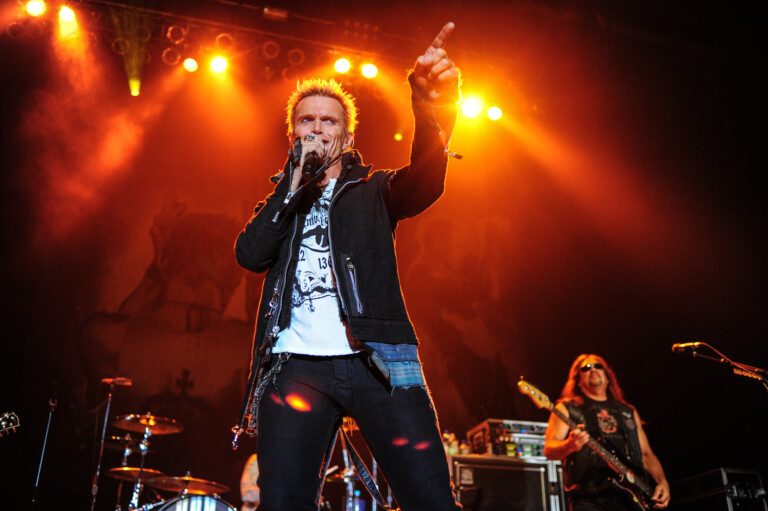
Billy Idol and Steve Stevens Inducted Into Hollywood Rockwalk Ahead of Rock Hall
Billy Idol and Steve Stevens were inducted into the Hollywood Rockwalk at Guitar Center’s Hollywood location on June 23, ahead of their Rock Hall induction in
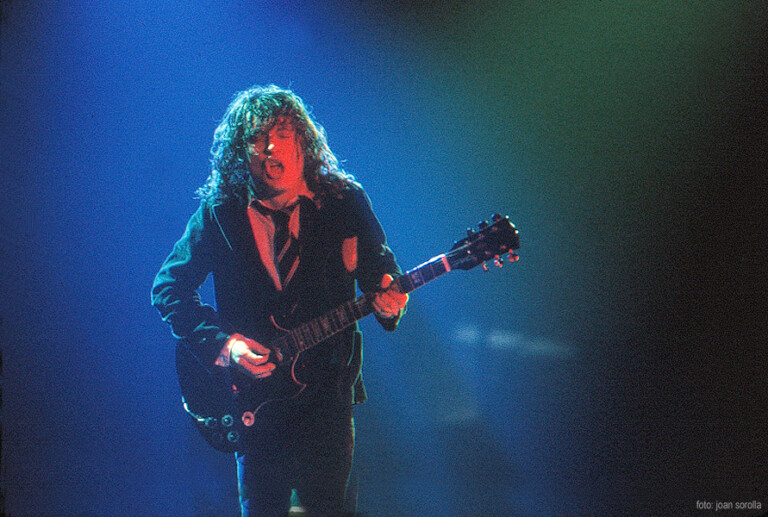
AC/DC Power Up Tour Adding Pop-Up Shops at Every North American Stop
AC/DC will open exclusive pop-up shops at every stop of the North American Power Up tour leg, featuring limited merch, food, giveaways, and a chance to win an