

Trump Admin Messes With Neil Young’s US Citizenship
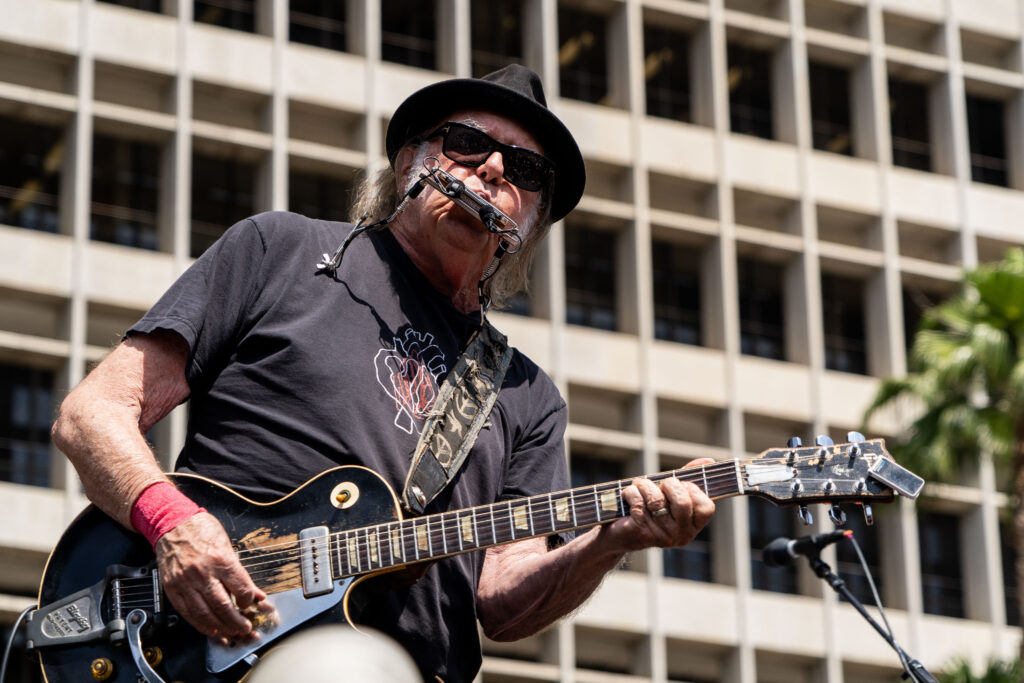
Neil Young's journey to obtaining U.S. citizenship was fraught with challenges reportedly exacerbated by the Trump administration, according to Daryl Hannah, Young's wife. Hannah asserts that the Trump administration employed numerous tactics to delay and complicate Young's citizenship process. These claims center around the notion that despite Young having lived and paid taxes in the U.S. for decades, numerous re-interviews and tests were required, prolonging an already arduous process.
Young, a celebrated musician of Canadian origin, had been residing in the United States since 1967. However, it wasn't until 2019 that he applied for U.S. citizenship, with hopes to participate in the 2020 presidential election. His path to citizenship, however, was obstructed by complications attributed to his past marijuana use. The Trump-era Attorney General Jeff Sessions had reinforced the “good moral character” requirement for citizenship applications, particularly scrutinizing applicants with marijuana usage. Despite these setbacks, Young eventually secured his citizenship, allowing him to fulfill his wish to vote in the 2020 election.
C. These delays in Neil Young's citizenship journey underscore the complexities inherent within the U.S. immigration system, particularly during periods of heightened political scrutiny and regulation. Young's case draws attention to the broader issues faced by immigrants in similar situations and reflects the repercussions of personal political beliefs on their immigration proceedings. Concerns have been raised about Young's critiques of Trump, suggesting that his vocal dissidence may have influenced the complications he faced during his citizenship process.
The discussion surrounding Neil Young's citizenship issue is further fueled by subsequent fears of being barred from the U.S. due to his criticisms of Trump. Despite acquiring citizenship, Young has expressed anxiety over the possibility of detainment upon returning from international tours, specifically due to the administration's stringent immigration policies. However, Daryl Hannah remains optimistic, asserting that while detentions and deportations of visa and green card holders have increased, they have not yet denied entry to U.S. citizens. This assurance, however, does little to quell the anxieties felt by individuals who are outspoken against political figures and policies.
Moreover, this situation has not deterred Young from planning a 2025 U.S. tour, further indicating his ongoing engagement with U.S. cultural spheres despite past challenges. This tour is anticipated to cover several major cities across the United States, reflecting Young's continued prominence and his resilience in maintaining his career amidst political tensions.
The narrative of Neil Young's immigration journey also serves as a poignant reminder of the intersection between cultural figures and politics. His long-standing criticisms of Trump, which included a lawsuit over the unauthorized use of his music at campaign rallies, highlight the role artists play in political discourse. Such instances not only influence public perception but also illuminate the complex dynamics between celebrity status and regulatory actions.
In the grand scheme, Neil Young's citizenship battles and subsequent efforts to assert his rights as an American citizen reflect broader themes of resilience and advocacy within the context of U.S. immigration policy. This situation emphasizes the need for a comprehensive understanding of how political climates can impact procedural fairness in immigration matters. Young's experience underscores the importance of transparency and accountability, especially when administrative processes intersect with personal liberties and expressions of dissent.
Key Takeaways
-
www.rollingstone.com | Neil Young’s efforts to secure American citizenship were repeatedly hindered by Donald Trump’s first administration, which made him undergo repeated re-interviews.
-
www.rollingstone.com | Neil Young’s citizenship application was delayed due to a 'good morale character' clause affected by his marijuana use, a reflection of a policy change by Trump’s administration.
-
www.rollingstone.com | Neil Young was eventually successful in obtaining his U.S. citizenship in January 2020, despite the administrative hurdles posed by the Trump administration.
-
www.rollingstone.com | Despite his challenges with the citizenship process, Neil Young expressed relief and happiness when he became a U.S citizen, proudly registering to vote as a Democrat.
Related Stories
Rolling Stones Drop ‘Jealous Lover’ and Robert Smith Collab Ahead of ‘Foreign Tongues’
The Rolling Stones release ‘Jealous Lover’ and ‘Divine Intervention’ featuring the Cure’s Robert Smith ahead of their July 10 album Foreign Tongues.
Lionel Richie Postpones Two Shows After Medical Scare in St. Paul
Lionel Richie postponed his June 26 Chicago and June 27 Columbus shows on doctors’ orders after cutting short his St. Paul concert on his co-headlining tour
Ann Wilson and Tripsitter Announce ‘Consecrated Ground,’ Fall Tour Dates
Ann Wilson and Tripsitter announce their second album, Consecrated Ground, out August 14, plus a 15-date North American fall tour. Full tracklist and dates
Billy Idol and Steve Stevens Inducted Into Hollywood Rockwalk Ahead of Rock Hall
Billy Idol and Steve Stevens were inducted into the Hollywood Rockwalk at Guitar Center’s Hollywood location on June 23, ahead of their Rock Hall induction in
AC/DC Power Up Tour Adding Pop-Up Shops at Every North American Stop
AC/DC will open exclusive pop-up shops at every stop of the North American Power Up tour leg, featuring limited merch, food, giveaways, and a chance to win an
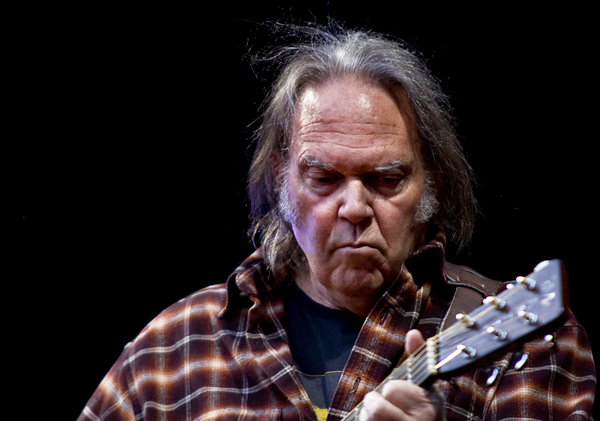
Neil Young Drops Free Concert Film ‘Corduroy Plants’ on Neil Young Archives
Neil Young has quietly released Corduroy Plants, a free hourlong concert film on the Neil Young Archives, directed by Daryl Hannah and tied to his 2025 tour.
Twisted Sister Expands Fall 2026 Tour With Sebastian Bach, Adds Three New Dates
Twisted Sister has added three new fall 2026 tour dates with Sebastian Bach on vocals, bringing the total to nine shows. Presale begins June 25 with code
Iron Maiden Issues Statement After Power Outage Derails Paris Concert Film
Iron Maiden issued a statement after a citywide power outage cut short their phone-free Paris concert at La Défense Arena on June 22, disrupting a planned
Daryl Hall Reveals Kidney Transplant, Says Doctors Called It a Complete Success
Daryl Hall revealed he received a living-donor kidney transplant a couple of weeks ago and says doctors called it a complete success. He expects to return to