

Miley Cyrus Blames Her ‘Bangerz’ Era For Lost Relationships
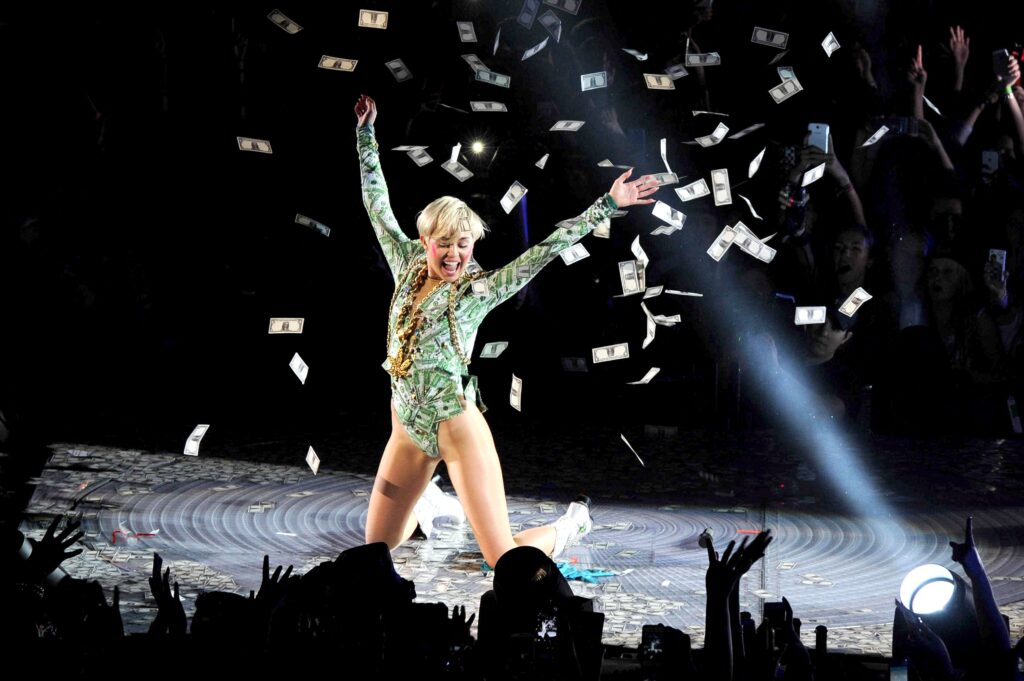
Miley Cyrus's d much-publicized “Bangerz” era marked a significant transformation in her public persona, moving from the wholesome image of Disney Channel's “Hannah Montana” to a bold and controversial figure. This shift, which took place around 2013 with the release of her album “Bangerz,” saw Cyrus adopting a more provocative public image, leading to substantial backlash and affecting various aspects of her personal life. As she recently shared in several interviews, including a candid discussion with Monica Lewinsky on the “Reclaiming” podcast, the era's impact extended beyond professional challenges, deeply affecting her relationships with family, romantic partners, and herself.
During the “Bangerz” era, Cyrus became widely known for her risqué outfits and audacious performances, as exemplified by her infamous 2013 MTV Video Music Awards show where she provocatively danced with Robin Thicke. This phase of her career was characterized by bold expressions of sexuality and a distinct move away from her previously crafted image as a child star. This transformation, however, was not without personal cost. As she revealed in the interviews, Cyrus expressed that her siblings found her public persona so embarrassing that they struggled to attend school. Her brother once confided in her about the difficulties he faced due to her notoriety, illustrating the emotional burden her family endured.
Cyrus also spoke about the challenges she faced within her romantic relationships during this time. The intense public criticism and her unabashed expression of sexuality made it hard for her to maintain romantic connections. She noted that her engagement to actor Liam Hemsworth was under strain primarily because of the way she chose to express herself publicly, which conflicted with expectations placed upon her by those who preferred a more private demeanor. These personal confessions highlight how the transformation not only affected her immediate circle but also strained her relationship with her father, Billy Ray Cyrus, and other family members. The emotional turmoil of being unable to look her father in the eye without feeling embarrassment underscores the complexities behind her public persona.
The “Bangerz” era, while controversial, was also a time of liberation for Cyrus. Despite the personal hardships, she has explained that therapy helped her process the guilt and shame associated with that period. Reflecting on the backlash, Cyrus acknowledged that much of the criticism stemmed from her transition from a beloved child star to an adult artist expressing her own identity. This contrast between her past and present self was jarring for many, turning her every move into a media spectacle.
Cyrus's ability to move past this era has led to personal growth and further artistic success. Her recent musical endeavors, including her album “Something Beautiful,” demonstrate how she has managed to reinvent herself once more, this time with an acceptance of her past. Chart-topping singles like “Flowers” and a Grammy win in 2024 underscore her resilience and ability to captivate audiences anew. Her candid discussions about the repercussions of her “Bangerz” era reflect a deep understanding of her journey, suggesting an artist who has reconciled with her past and emerged stronger from the experience.
Miley Cyrus's “Bangerz” era was a pivotal and transformative period in her life that reshaped her career and personal relationships. The era's notoriety, characterized by provocative performances and a stark departure from her Disney roots, led to significant personal challenges, including strained familial ties and romantic relationships. Yet, through reflection and therapy, Miley has managed to navigate the criticisms and grow as an artist, ultimately using her past experiences to fuel her current success in the music industry. Her story serves as a profound testament to the complexities of personal and professional identity in the public eye.
Key Takeaways
-
www.buzzfeed.com | Miley Cyrus's younger siblings felt so humiliated by her 'Bangerz' era that they didn't want to attend school.
-
www.billboard.com | Miley Cyrus's actions during the 'Bangerz' era, including public performances and personal choices, were so controversial that even her familial relationships deteriorated.
-
www.billboard.com | Miley Cyrus's radical shift from a Disney Channel star to a controversial pop icon in the 'Bangerz' era was shocking to the public and resulted in significant personal challenges.






Related Stories

Clive Davis, Legendary Music Executive Who Shaped Pop History, Dies at 94
Clive Davis, the record executive behind Whitney Houston, Bruce Springsteen, and Alicia Keys, died Monday at his Manhattan home. He was 94.

Iron Maiden Enforce Phone-Free Zone at Paris Show for Run For Your Lives Tour Film
Iron Maiden are enforcing a Yondr pouch phone-free standing area at their June 22 Paris La Défense Arena show, filmed for the Run For Your Lives Tour concert

31 Music Groups Warn Labels and Publishers to Stop Misusing Artist Rights in AI Deals
A coalition of 31 organizations warns record labels and publishers to stop negotiating AI deals without meaningful consent from artists and songwriters.

Kirk Hammett Falls Off Stage in Dublin Days After Taylor Swift T-Shirt Backlash
Metallica guitarist Kirk Hammett fell off the stage at Aviva Stadium in Dublin on June 19 during ‘Seek & Destroy,’ days after Swifties targeted him over a
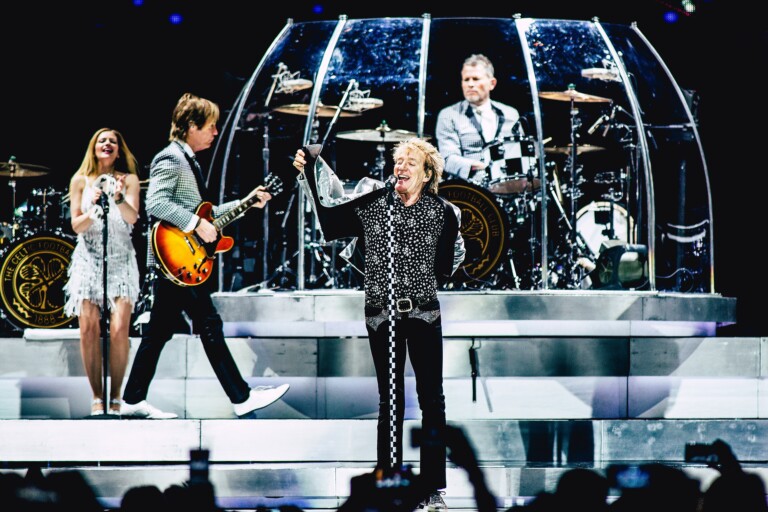
Rod Stewart Requires Oxygen Tank After Nearly Fainting Onstage in Utah
Rod Stewart nearly fainted during a concert at Utah First Credit Union Amphitheatre, requiring an oxygen tank before finishing the show seated.
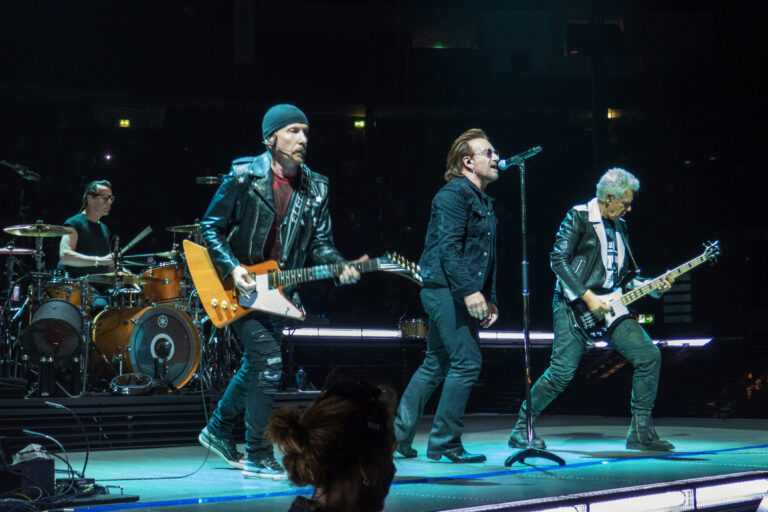
U2’s Bono and The Edge Move Obama to Tears at Presidential Center Opening
Bono and The Edge performed ‘City of Blinding Lights’ at the Barack Obama Presidential Center dedication in Chicago on June 18, visibly moving the former
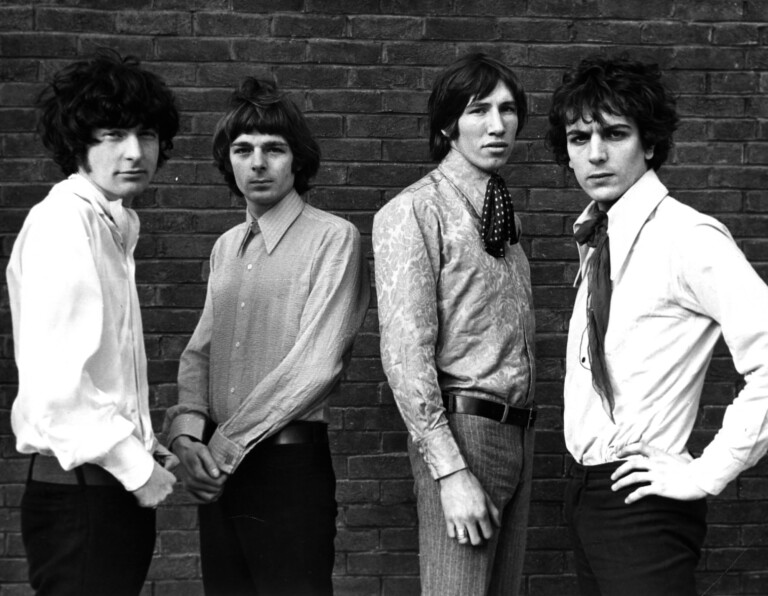
Syd Barrett’s 80th Birthday Marked With Cambridge Concert and Star-Studded Tribute Album
A tribute concert at Cambridge Corn Exchange and a new album featuring Pink Floyd, David Gilmour, and David Bowie mark what would have been Syd Barrett’s 80th

Aimee Mann Nearly Skipped Rush Reunion Tour After Geddy Lee’s Email
Aimee Mann reveals she nearly passed on performing ‘Time Stand Still’ with Rush on their Fifty Something reunion tour after receiving an email from Geddy Lee.

Kirk Hammett Releases Official Video From Frankfurt ‘The Collection: Live’ Event
Kirk Hammett has shared an official video of his May 23 ‘The Collection: Live’ book event at Zoom Saal in Frankfurt, featuring a surprise jam with Robert