

Chappell Roan Leaves Wasserman Agency Over Epstein Files
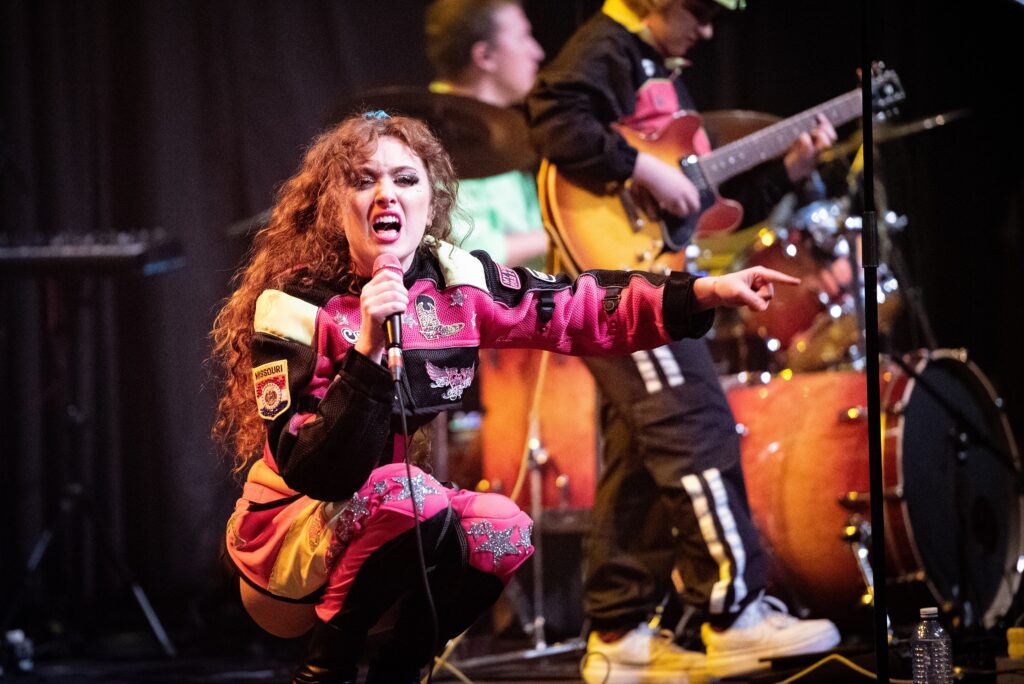
Pop star Chappell Roan has ended her relationship with the Wasserman talent agency, becoming the most prominent artist to publicly depart amid fallout surrounding the agency’s leadership.
Roan confirmed her exit on February 9, 2026, saying she could not continue working with an organization whose leadership raised serious ethical concerns. Her decision followed the release of newly unsealed court documents connected to the Jeffrey Epstein investigation that included decades old email correspondence involving Wasserman founder and CEO Casey Wasserman.
Although Wasserman has denied any involvement in Epstein’s crimes and stated that the emails predated Epstein’s conviction, the disclosures sparked swift backlash across the music industry. Roan said artists should not be expected to remain silent when values and personal safety are at stake.
Her departure quickly became a flashpoint, prompting renewed scrutiny of the agency and its role in representing artists who prioritize ethical alignment alongside professional success.
Other Artists Who Have Publicly Departed or Spoken Out
Chappell Roan is not alone. In the days following her announcement, several artists confirmed they had also cut ties with Wasserman or publicly criticized the agency’s leadership.
The indie rock band Wednesday confirmed it had ended its relationship with Wasserman shortly after the documents became public. Punk rock veterans Dropkick Murphys were also reported to have stopped working with the agency.
Other artists have not publicly confirmed a departure but have spoken out forcefully. Bethany Cosentino, frontwoman of Best Coast, issued a public statement condemning the agency’s leadership and calling for accountability. The experimental pop duo Water From Your Eyes described the revelations as unacceptable and said artists should demand better standards from those who represent them. Indie pop band Beach Bunny released a statement expressing disgust and urging meaningful change.
Several musicians emphasized that silence from leadership and a lack of transparency were as troubling as the emails themselves. Some called on Casey Wasserman to step down from his executive roles.
Agency Response and Industry Fallout
As criticism mounted, Wasserman removed its public music artist roster from its website, fueling speculation about further departures behind the scenes. Industry sources indicated that some agents and staff within the company were also reassessing their positions.
Wasserman issued a statement acknowledging the emails and expressing regret, while maintaining that neither he nor the company had any involvement in Epstein’s criminal activity. He described the correspondence as inappropriate in tone but disconnected from Epstein’s later crimes.
Despite that response, calls have grown for leadership changes not only within Wasserman’s music division but also regarding Wasserman’s broader role in entertainment and sports, including his high profile position connected to the 2028 Los Angeles Olympics.
A Turning Point for Artist Representation
Roan’s exit has come to symbolize a larger shift within the music industry, where artists increasingly expect their representatives to reflect their values as well as negotiate contracts and tours. The situation has reignited conversations about power, accountability, and transparency in talent representation.
Whether the departures mark a temporary crisis or a lasting reckoning for Wasserman remains to be seen. What is clear is that Chappell Roan’s decision has emboldened others to speak openly about the ethical standards they expect from the agencies entrusted with their careers.
TOP STORIES
RELATED ARTISTS



Related Stories
Pink Floyd’s New “8-Tracks” Compilation Resurrects a Lost Animals-Era Gem
Announced today, “8-Tracks” is a new compilation pulling eight songs from Pink Floyd’s imperial 1971 to 1979 run. It arrives…
Woman Facing Seven Criminal Charges After Years of Allegedly Stalking Lindsey Buckingham
The nightmare that Lindsey Buckingham has been living with for the better part of five years finally landed in a…
Metallica Add Two “Intimate” Connecticut Dates to Close Out 2026
In a year dominated by the Sphere, Metallica just carved out two nights for something a little more old school.…
Lindsey Buckingham Attacked by Alleged Stalker in Santa Monica
Lindsey Buckingham had been looking forward to 2026. Just last week, the 76-year-old guitar icon posted a video to his…
Who the F**k Are the Cockroaches? Inside the Rolling Stones’ Oldest Trick and Its Mysterious 2026 Revival
If you walked through certain neighborhoods of London this week and spotted a strange poster tacked to a wall with…
Gene Simmons Solo 2026 Tour Dates
Kiss may have taken its final bow, but Gene Simmons clearly did not get the memo that he was supposed…
Bob Dylan Launches Patreon Page, But It’s Not What You’d Expect
Bob Dylan has never been easy to predict. But even by his standards, his latest move has left fans and…
Eric Clapton’s Crossroads 2026 Is Headed to Austin With a Two-Night Guitar All-Star Summit
Eric Clapton’s Crossroads Guitar Festival has never been about subtlety. It is about guitar heroes, big rooms, louder amps, and…

Deep Purple and Kansas 2026 Tour Dates Kick Off in April
Deep Purple and Kansas are two very different rock institutions, but that contrast is exactly why their 2026 run has…