

Phil Collins Falls to No. 2 in Rock Hall Fan Vote, but the 2026 Race Is Far From Over
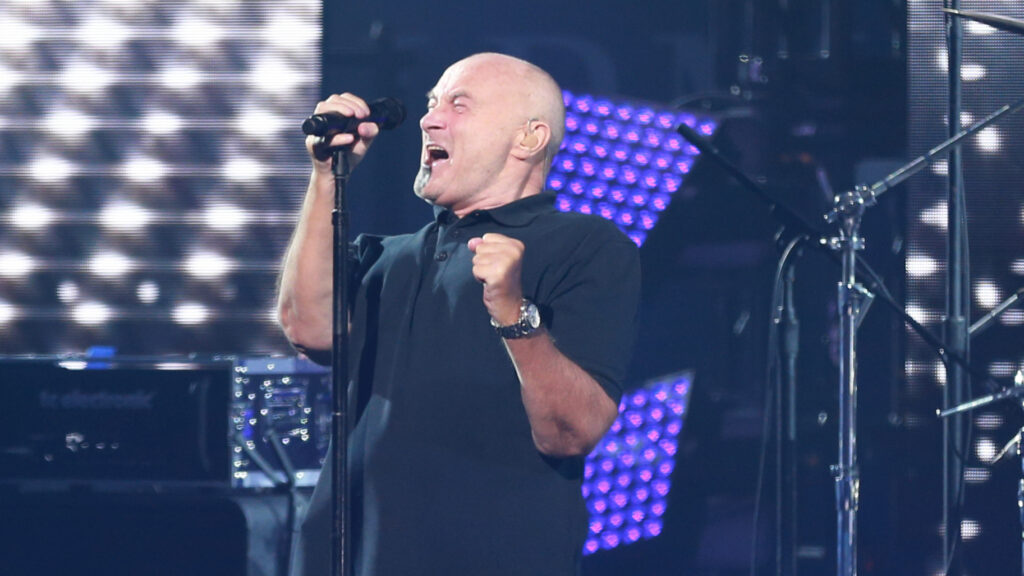
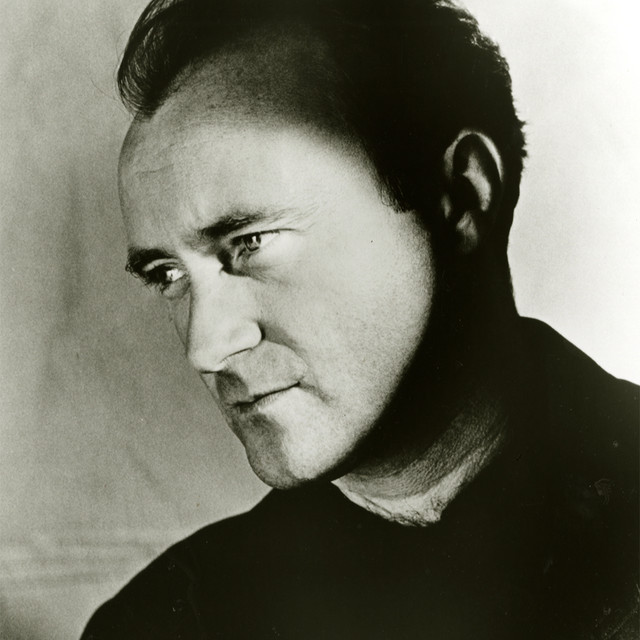
For the past two weeks, Phil Collins had been sitting in the position every Rock and Roll Hall of Fame nominee wants in March: at the top of the fan vote leaderboard, with a clear lane to own the conversation around the 2026 class. That changed this week. Collins has now slipped to No. 2, overtaken by New Edition in one of the first real momentum swings of this year’s race.
On paper, it is just a ranking change. In practice, it is a useful snapshot of how modern Hall campaigns actually work. The fan vote has become a daily turnout contest driven by organized fan communities, social sharing, media visibility, and artists’ long-tail cultural relevance. Collins remains a heavyweight name with deep catalog strength and broad recognition. But this week proved what Hall watchers already know: no lead is safe in March.
The numbers that changed the story
The latest publicly reported leaderboard, published March 19, shows New Edition in first place with 606,181 votes. Collins is second with 554,300 votes. Pink is in third with 515,080, followed by Luther Vandross at 442,231 and INXS at 383,804.
Those totals matter for two reasons. First, the spread between first and third is not huge by fan-vote standards, which means sustained daily voting can reshuffle the top tier quickly. Second, this is not a case of Collins collapsing. He is still posting a high total and remains firmly in the top group. The headline is less about decline and more about a surge from New Edition, whose supporters have clearly mobilized at scale.
That kind of push is increasingly common in Hall voting cycles. What used to look like a static popularity metric now behaves more like an active campaign board. One outlet report, one viral post, or one coordinated fan effort can change the order in a matter of days.
Why Collins was leading in the first place
Collins’ early advantage was not surprising. He brings multiple audience lanes into the same vote pool: solo-era pop and adult contemporary listeners, progressive-rock and Genesis fans, classic-rock radio audiences, and casual voters who know him from decades of crossover hits. Few nominees can command that range without explanation.
He also benefits from name recognition that does not require a campaign primer. For many casual voters, Phil Collins is instantly legible. In fan-vote mechanics, that is a material advantage, especially during the first week when attention is broad and less segmented.
At the same time, Collins’ position has always had one strategic complication: his prior Hall history. Genesis was inducted in 2010, which means some voters may feel he is already represented institutionally, even though this ballot is about his solo case. That perception can slightly flatten urgency compared with first-time narratives surrounding other nominees.
What New Edition’s rise says about 2026
New Edition taking the lead is a reminder that fan-vote energy is now deeply cross-genre. The old framing of the Hall as primarily a classic-rock popularity contest does not hold up in current cycles. R&B voters, pop voters, and multi-generational fan bases can and do dominate the board when turnout is organized.
The group’s recent touring profile helps explain the timing. New Edition has stayed visible through major live activity in recent years, including a high-profile 2026 run with Boyz II Men and Toni Braxton, which kept the act active in public-facing music conversation. Visibility converts to votes when the voting window is open and fans are reminded daily that participation is allowed once per day.
In that context, Collins losing first place is less an indictment of his support than evidence that 2026 is shaping up as a genuinely competitive, coalition-driven fan race.
The fan vote is influential, but not decisive
This is the part casual readers often miss. The Hall fan vote is important and highly visible, but it does not single-handedly decide the induction class. The final selections come from the Hall’s broader voting body, with the fan ballot folded into the process as one input.
Recent precedent reinforces that point. In the 2025 cycle, Billy Idol and Phish finished first and second in fan voting but were not inducted. That outcome did not make the fan vote irrelevant. It simply confirmed that fan ranking and final committee outcomes can diverge.
So while Collins dropping to No. 2 is a meaningful development in the public race, it is not a fatal blow to his overall induction chances. If anything, high placement keeps him central to the discourse and signals sustained enthusiasm that voters inside the Hall ecosystem can see.
What to watch before the April cutoff
Fan voting remains open through April 3, with one vote permitted per day. That structure favors consistency over one-day spikes. Acts with disciplined daily turnout tend to climb late, and top-five positions can still shift as fan communities push final-week campaigns.
For Collins supporters, the path is straightforward: keep him in the top tier and narrow the gap with New Edition. For observers, the more interesting question is whether the current top five holds or whether another nominee mounts a late run. Pink, in particular, remains close enough to matter, and that margin makes this one of the tighter three-way contests at the top the Hall has seen in recent years.
The Rock and Roll Hall of Fame is expected to announce the 2026 induction class in April. Whether Collins reclaims No. 1 in fan voting or stays in second, the broader takeaway is already clear. His solo candidacy is not a fringe storyline. It is one of the defining narratives of the cycle, and the leaderboard shift only sharpened that reality.
Reported vote figures cited in this story reflect publicly reported March 19, 2026 leaderboard totals: New Edition (606,181), Phil Collins (554,300), Pink (515,080), Luther Vandross (442,231), and INXS (383,804).
Related Stories
Bon Jovi Extends 2027 Stadium Dates, Expanding Forever Tour to Australia, UK and North America
Bon Jovi is expanding its Forever Tour with seven new 2027 stadium shows spanning Australia, the UK and North America, building on sold-out dates at Madison Square Garden and Wembley Stadium earlier this year.
Motley Crue Sets 2027 ‘Carnival of Sins in Sin City’ Residency at Caesars Palace
Motley Crue has unveiled an eight-show Las Vegas residency, ‘Carnival of Sins in Sin City,’ set for The Colosseum at Caesars Palace from March 19 to April 3, 2027.
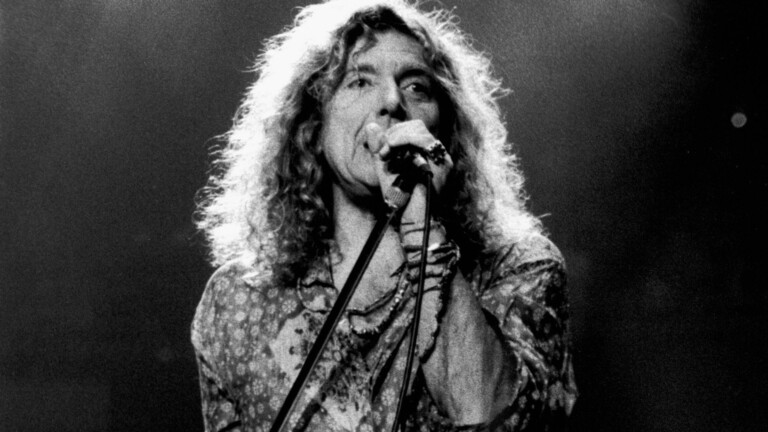
Led Zeppelin Lets ‘Stairway to Heaven’ Soundtrack a Movie Trailer for the First Time, for Greta Gerwig’s Narnia Film
Led Zeppelin has granted permission for ‘Stairway to Heaven’ to appear in a film for the first time, backing the debut trailer for Greta Gerwig’s Narnia: The Magician’s Nephew.
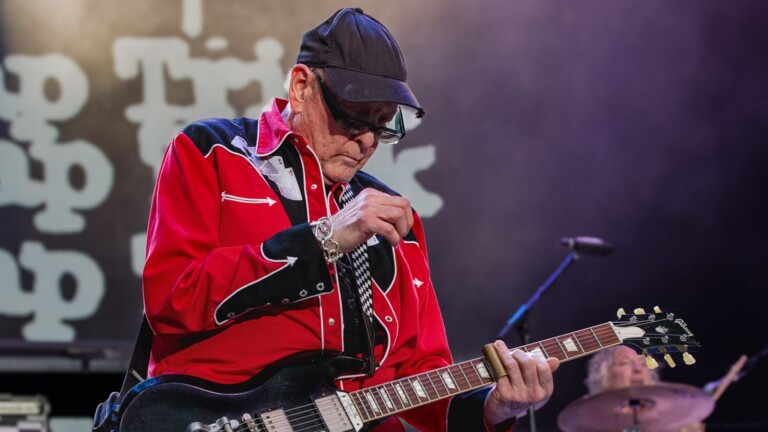
Cheap Trick 2027 Concert Dates Announced
Cheap Trick has booked its first three concert dates for 2027, set for February and April, as the band’s ongoing All Washed Up Tour continues through the fall of 2026.
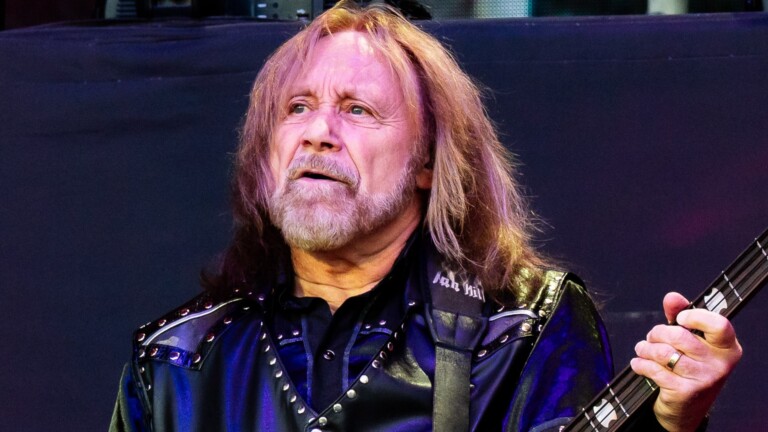
Judas Priest’s Ian Hill Retires After 57 Years, Longest-Serving Member
Judas Priest founding bassist Ian Hill has stepped away from the band after 57 years, citing worsening arthritis and a torn shoulder tendon, with Uriah Heep’s Davey Rimmer set to take his place on bass starting with the band’s 2027 touring.
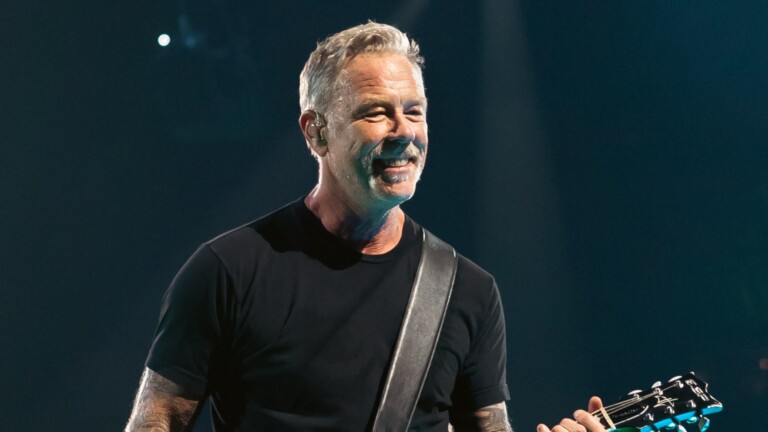
James Hetfield Tells Sphere Crowd Metallica Won’t Push a Political Agenda
James Hetfield addressed the Las Vegas Sphere crowd on October 10, 2026, drawing a line between Metallica and other entertainers who use their platforms for political messaging.
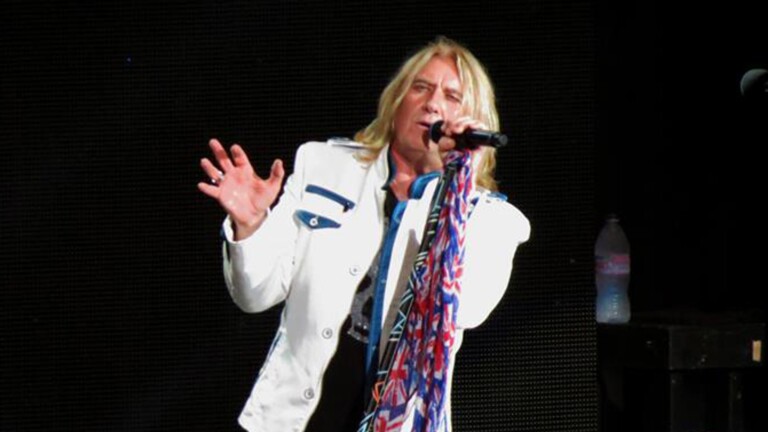
Def Leppard Announces Massive 2027 Tour With Goo Goo Dolls, The Struts
Def Leppard will co-headline a 45-date 2027 North American tour with Goo Goo Dolls, joined by The Struts, running from March 2 in Allentown, Pennsylvania through July 2 in Indianapolis, Indiana.
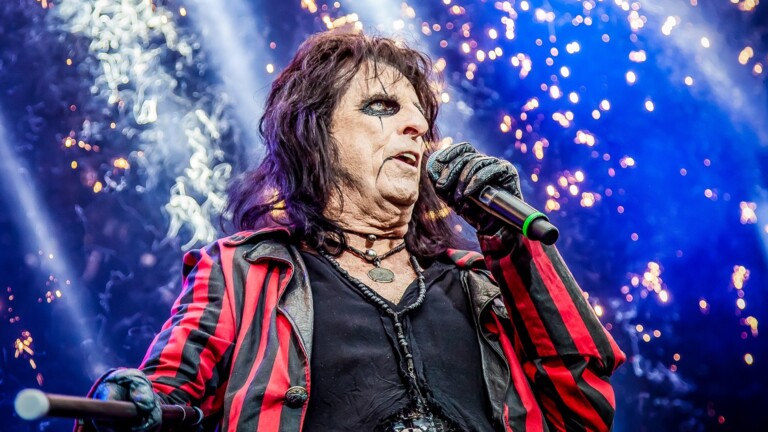
Alice Cooper Opens Up on Crack Addiction That Nearly Killed Him and Nearly Ended His Marriage
Alice Cooper’s new memoir ‘Devil on My Shoulder’ and a companion interview with The Telegraph detail how his crack cocaine use in the late 1970s and early 1980s brought him close to death and nearly cost him his marriage.
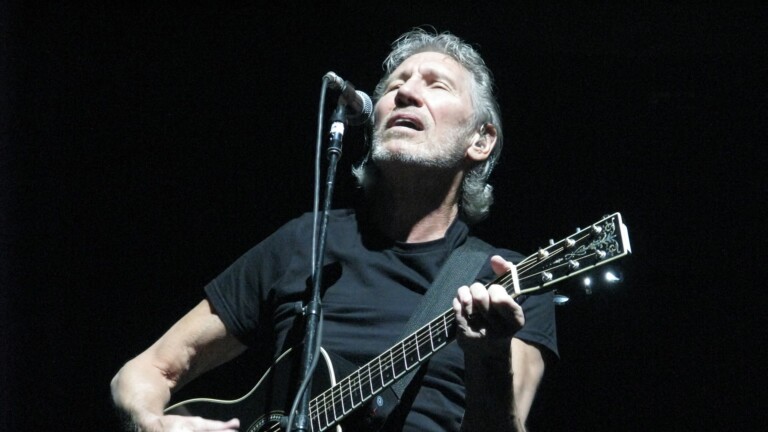
Roger Waters and Son Harry Waters Launch Pink Floyd Tribute Tour ‘LEGACY’ for 2027
AEG Presents and ICON LIVE have announced ‘Roger Waters Presents LEGACY: A Pink Floyd Show,’ a new touring production led musically by Harry Waters and launching February 15, 2027 in Columbus, Georgia.