

Doobie Brothers on Yacht Rock, Tribute Bands, and Touring with Santana
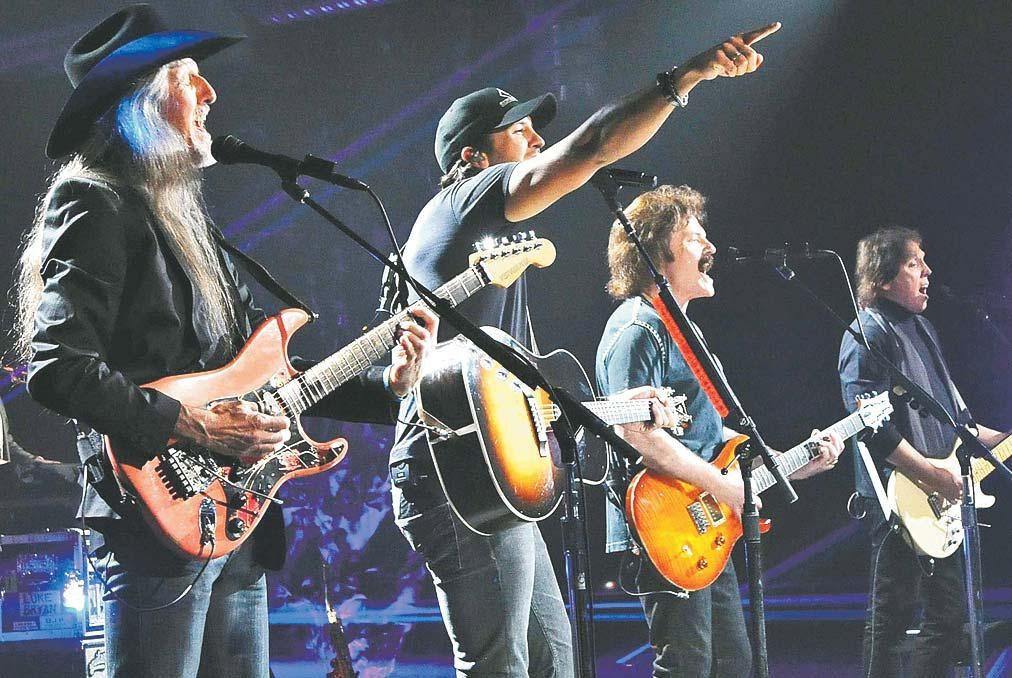
The Rock and Roll Hall of Famers discuss their new album, their many imitators, and what ‘yacht rock’ actually means to them.
Tom Johnston, Patrick Simmons, and John McFee of the Doobie Brothers are back with a new studio album, Walk This Road, and a summer slot on Carlos Santana’s Oneness Tour. In a wide-ranging conversation with Guitar World, the three guitarists weighed in on the proliferating world of Doobie Brothers tribute acts, pushed back on the ‘yacht rock’ tag attached to their catalog, and reflected on how a band founded in San Jose in 1970 has managed to keep its original lineup largely intact more than five decades on.
Tribute Bands and the Sincerest Form of Flattery
The Doobie Brothers have spawned a cottage industry of imitators. Acts operating under names like the Doobie Others, Listen to the Music, the Brothers Doobie, and the Doobie Doubles currently circulate on the tribute circuit, the last of those apparently specializing exclusively in uptempo rock material.
Johnston and McFee say they have not personally seen any of these groups perform. Simmons, however, has sampled a few online and came away impressed. ‘They’ve got some great musicians,’ he said. ‘They never sound exactly like us, but I don’t think that’s important. It’s great that musicians would want to take the time to learn those songs and perform them. I can’t fault people for trying to make a living and coming up with a novelty idea, and if they enjoy the music, that’s really flattering for the rest of us.’
The tribute-band ecosystem around legacy rock acts has grown substantially in recent decades, and a band with as deep a radio catalog as the Doobies makes for an attractive template. Covering the Johnston-era boogie rock alongside the McDonald-era blue-eyed soul requires genuine range, which may explain why Simmons found the musicianship worth noting.
The ‘Yacht Rock’ Question
The Doobie Brothers’ late-1970s and early-1980s output, particularly the Michael McDonald-fronted material, has become a touchstone of the genre retroactively labeled ‘yacht rock.’ The Grammy-winning What a Fool Believes is frequently cited as a defining example of the style.
The band’s guitarists are not exactly embracing the classification. ‘I’ve never even been on a yacht,’ McFee said. Johnston was equally skeptical: ‘I don’t even know what the term is supposed to mean, yacht rock. It just seems kind of absurd to me.’
The ‘yacht rock’ label, popularized by a 2005 web series and later cemented by streaming playlist culture, has become one of the more contested genre tags in classic rock. For a band that built its early identity on hard-driving boogie and twin-guitar interplay, being filed under a category associated with smooth, polished pop production is understandably jarring. The Doobies’ catalog spans enough sonic territory that no single genre tag fits cleanly.
Walk This Road and the Current Lineup
Johnston, Simmons, McFee, and McDonald have been together as Doobies since 2019, a reunion that followed the band’s induction into the Rock and Roll Hall of Fame. The group released Walk This Road last year, their first studio recording with this configuration in place.
The band’s history includes multiple hiatuses, the longest running from 1982 to 1987. Asked about internal friction, Simmons was candid without being dramatic. ‘We have disagreements like anybody else,’ he said. ‘We’ve certainly had our moments when we’ve gotten on each other’s nerves, especially at the end of a tour when it’s like, Oh, my God, is he gonna keep snoring when I’m trying to sleep? But we’ve been lucky enough to sustain our relationships.’
McFee, who joined the band in 1979, still describes himself as ‘the new guy.’ His role in the current lineup is notably broad: in addition to guitar, he plays mandolin, banjo, violin, cello, and pedal steel.
Joining Carlos Santana on the Oneness Tour
This summer the Doobie Brothers join guitar legend Carlos Santana on his Oneness Tour. For Johnston, the pairing carries personal history. ‘We’ve toured with Carlos before,’ he said. ‘I’ve known him since 1971, ’72. I hardly ever see him unless it’s on the road, but he’s such a good guy. I love playing with him and his band. We have a ball.’
Santana and the Doobies share a Bay Area origin story, and both acts emerged from the same late-1960s and early-1970s Northern California rock scene. Pairing them on a summer tour plays directly to a classic rock audience that grew up with both catalogs.
What we know
- The Doobie Brothers released a studio album called Walk This Road last year.
- Tom Johnston, Patrick Simmons, John McFee, and Michael McDonald have been together as the Doobie Brothers since 2019.
- The band will join Carlos Santana on his Oneness Tour this summer.
- The Doobie Brothers were founded in San Jose, California in 1970.
- John McFee joined the Doobie Brothers in 1979.
- The band’s longest hiatus ran from 1982 to 1987.
- Tom Johnston says he has known Carlos Santana since 1971 or 1972.
The take
The Doobie Brothers’ current configuration is arguably the most complete version of the band in its history. Having both the Johnston-era lineup and Michael McDonald under one roof means the group can credibly perform across a catalog that spans hard rock, R&B, and the smooth pop that later got tagged as yacht rock. That breadth is rare for a legacy act and helps explain the band’s sustained commercial appeal well into their sixth decade.
The yacht rock debate is worth taking seriously even if the band dismisses it with a laugh. The genre label, however contested, has driven genuine streaming and cultural interest in late-1970s soft rock, and What a Fool Believes has benefited from that renewed attention. Whether the Doobies like the category or not, it has introduced their McDonald-era material to younger listeners who might not have found it otherwise.
The Santana pairing on the Oneness Tour is a smart booking. Both acts are Rock and Roll Hall of Famers with deep catalogs, both have Bay Area roots, and neither requires an opening act to justify a ticket price. Summer co-headlining packages built around two legacy acts with complementary audiences have become a reliable model for classic rock touring, and this one has the added dimension of a genuine long-term friendship between Johnston and Santana.
Why it matters
For classic rock fans, the Doobie Brothers’ current lineup represents a genuine rarity: a legacy act that has reconciled its competing eras rather than splitting into factions. The presence of both Johnston and McDonald means no portion of the catalog gets shortchanged live. Walk This Road signals the band is still generating new material rather than coasting purely on nostalgia, and the Santana tour gives that album a high-profile summer platform. The tribute band ecosystem surrounding the Doobies is also a useful barometer of just how deeply embedded their songs remain in American rock culture.
What’s next
The Doobie Brothers are scheduled to appear on Carlos Santana’s Oneness Tour this summer. Walk This Road, their most recent studio album, is currently available.
Frequently asked questions
What is the Doobie Brothers’ new album?
The Doobie Brothers released a studio album called Walk This Road last year.
Who is the Doobie Brothers touring with in 2025?
The Doobie Brothers are joining Carlos Santana on his Oneness Tour this summer.
When did the Doobie Brothers form?
Tom Johnston and Patrick Simmons founded the Doobie Brothers in San Jose, California in 1970.
When did Michael McDonald rejoin the Doobie Brothers?
Johnston, Simmons, McFee, and McDonald have all been together as the Doobie Brothers since 2019.
What instruments does John McFee play in the Doobie Brothers?
McFee plays guitar, mandolin, banjo, violin, cello, and pedal steel in the band.
Related coverage
Related Stories
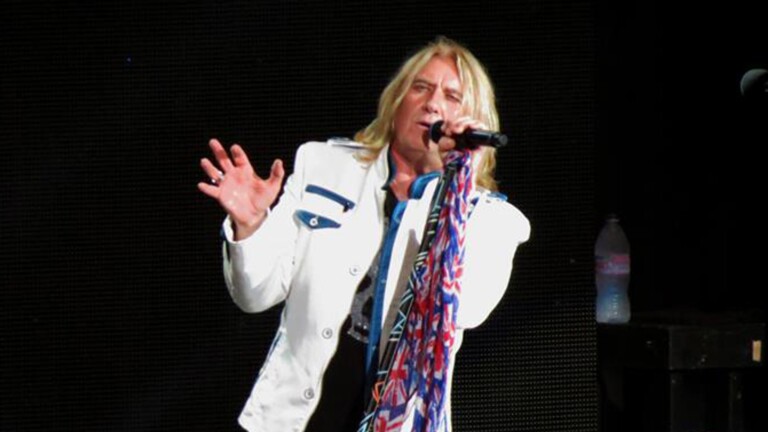
Def Leppard Announces Massive 2027 Tour With Goo Goo Dolls, The Struts
Def Leppard will co-headline a 45-date 2027 North American tour with Goo Goo Dolls, joined by The Struts, running from March 2 in Allentown, Pennsylvania through July 2 in Indianapolis, Indiana.
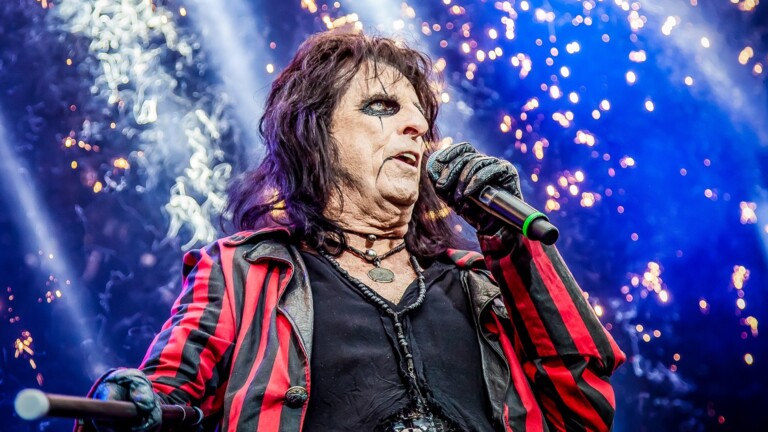
Alice Cooper Opens Up on Crack Addiction That Nearly Killed Him and Nearly Ended His Marriage
Alice Cooper’s new memoir ‘Devil on My Shoulder’ and a companion interview with The Telegraph detail how his crack cocaine use in the late 1970s and early 1980s brought him close to death and nearly cost him his marriage.
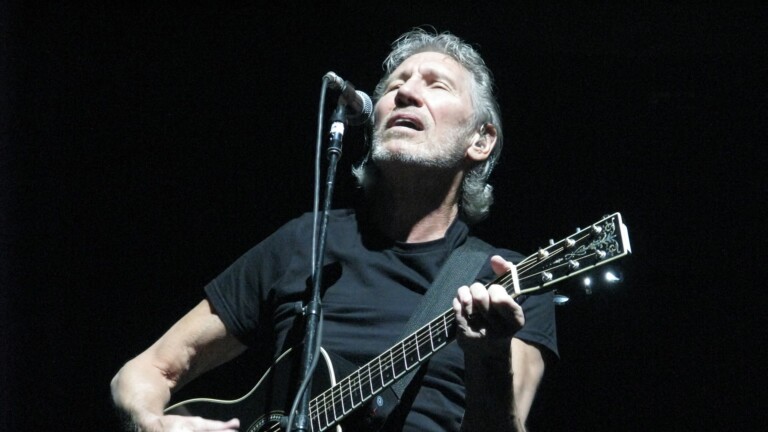
Roger Waters and Son Harry Waters Launch Pink Floyd Tribute Tour ‘LEGACY’ for 2027
AEG Presents and ICON LIVE have announced ‘Roger Waters Presents LEGACY: A Pink Floyd Show,’ a new touring production led musically by Harry Waters and launching February 15, 2027 in Columbus, Georgia.
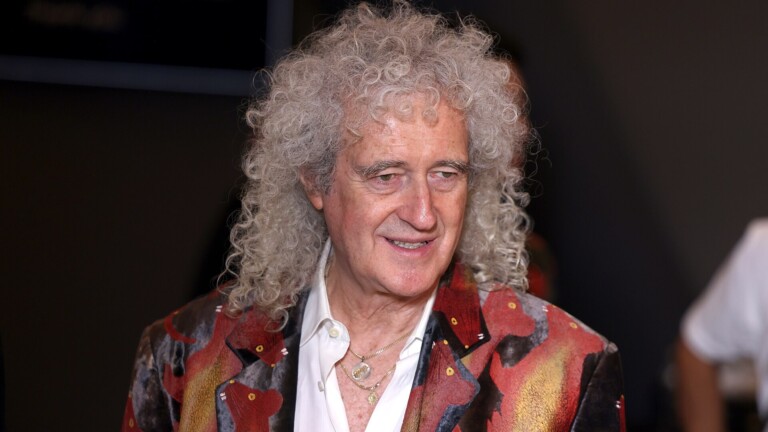
Brian May Says Queen’s Touring Days Are Over
Brian May says he and Roger Taylor quietly agreed a year and a half ago that Queen would not tour again, a choice shaped by the death of a close family friend while the band was on the road in America.
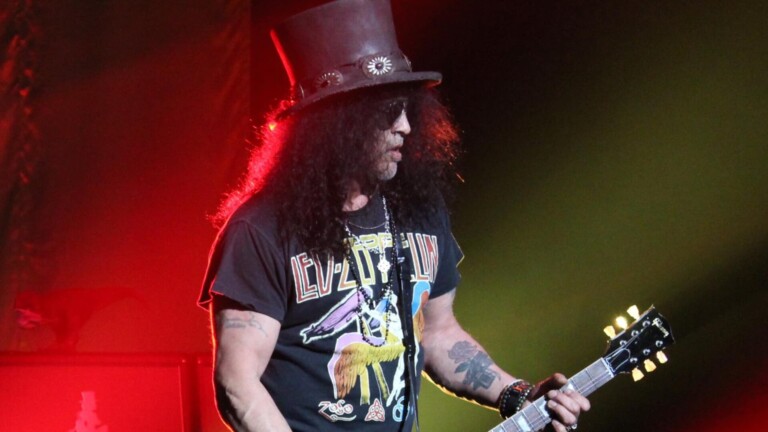
Slash Announces 2027 World Tour and New Album ‘Flying Blind’ With Myles Kennedy
Slash has unveiled a 2027 world tour with Myles Kennedy and The Conspirators and a new album, ‘Flying Blind,’ marking his first dedicated run with the band since 2024.
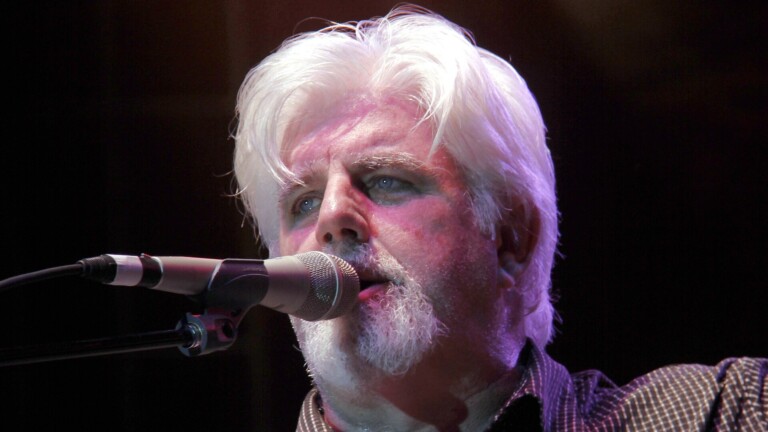
Michael McDonald Reunites With Son Given Up for Adoption Nearly 60 Years Ago
A St. Louis man named Michael Goessling has learned that Doobie Brothers singer Michael McDonald is his biological father, nearly 60 years after being given up for adoption as an infant.
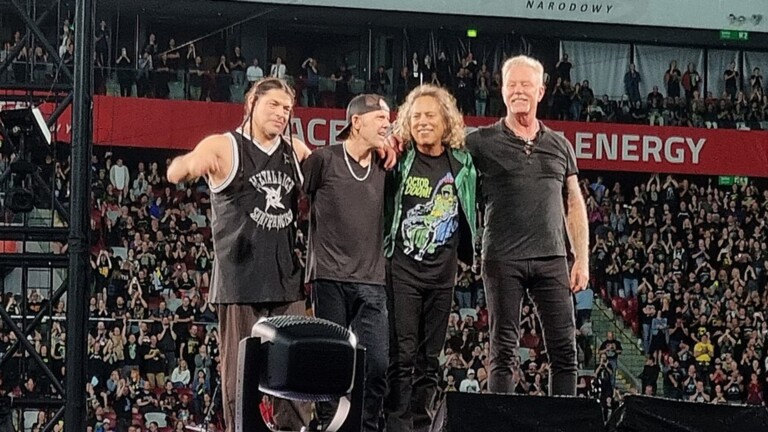
Metallica Kicks Off ‘Life Burns Faster’ Residency at Las Vegas Sphere
Metallica’s “Life Burns Faster” residency opens at the Las Vegas Sphere on October 1, 2026, running through March 2027 with 24 shows, a merch collaboration with adidas and a lineup of fan events across the city.
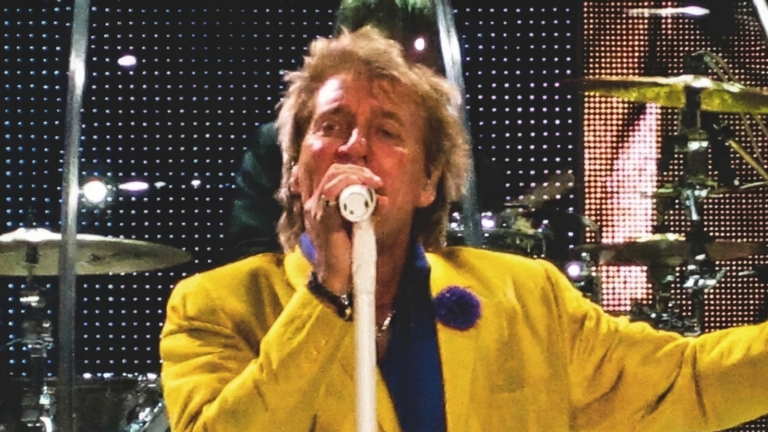
Rod Stewart Announces Retirement From Touring, Reveals 2027 ‘The Final Encore’ Tour Dates
Rod Stewart says his upcoming 2027 tour of the UK and Europe, called The Final Encore, will be his last time touring, though he insists he isn’t stepping away from music entirely.
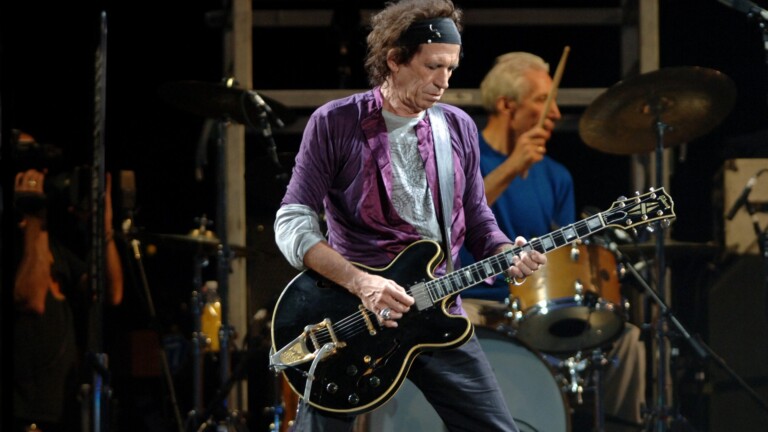
Jo Wood Says Rolling Stones Touring Days May Be Done Because of Keith Richards
Jo Wood, Ronnie Wood’s ex-wife, says she doubts the Rolling Stones will hit the road again, blaming Keith Richards’ hesitance even as the band’s new album Foreign Tongues thrives.