

Hear It: Jimmy Page Releases New Version of ‘Ten Years Gone,’ Reframing a Zeppelin Masterwork

Jimmy Page has opened a new chapter in Led Zeppelin history by releasing a fresh version of “Ten Years Gone,” and for rock listeners who have lived with the original for decades, the track lands with real emotional weight. The 1975 recording, first heard on Physical Graffiti, has long stood as one of Zeppelin’s most intricate studio achievements: layered guitars, melancholy phrasing, and a romantic ache that never slips into sentimentality. This new release does not try to outmuscle that legacy. Instead, it reframes it, putting Page’s architecture back under the microscope and reminding everyone that he was always as much a producer and arranger as a guitar icon.
What makes this moment significant is not nostalgia alone. “Ten Years Gone” has occupied a special place in Zeppelin’s catalog because it captures the band at peak maturity, balancing grandeur and restraint in the same breath. In interviews over the years, Page has described building stacks of guitar parts for the song, with lines interwoven like orchestral voices rather than conventional rhythm and lead roles. That compositional mindset is central to why the track still feels modern. On this newly released version, Page leans into those details, giving listeners a clearer line of sight into how the song was built and why it still resonates.
At the center of the performance is Page’s enduring gift for tonal storytelling. His guitar sound has always carried narrative inside the notes: a phrase that sighs, a bend that tightens, a suspended chord that refuses to resolve until the emotional point is made. The new version of “Ten Years Gone” amplifies that quality. The harmonized figures are less about virtuoso display and more about tension, color, and memory. You can hear the logic behind each layer, but you can also hear the human element in the slight shifts of attack and sustain. In an era that often prizes precision editing, this release celebrates touch.
It also puts a spotlight on Page’s studio instincts, often underrated outside musician circles. Zeppelin records were never accidental collisions of volume and swagger. Page treated the studio as an instrument, shaping depth and movement so songs felt cinematic without losing rawness. In this version, the spacing between guitar lines makes that philosophy unmistakable.
For longtime fans, the emotional pull of “Ten Years Gone” has always come from its sense of distance. Robert Plant’s original lyric confronts time, regret, and the afterimage of love, and Page’s composition supports that theme with music that seems to reach backward while moving forward. This release deepens that feeling. The passage of years is not just a lyrical concept anymore; it is audible in the performance itself. There is confidence here, but there is also reflection, the sound of an artist revisiting one of his defining works with perspective that only time can provide.
The release also arrives during a broader cultural reappraisal of classic rock craftsmanship. Younger players digging through Zeppelin records on streaming platforms and social channels are hearing those arrangements with fresh ears, often discovering that the supposed excess of the 1970s was anchored by disciplined writing and arrangement choices. A new Page-led take on “Ten Years Gone” enters that conversation at the right moment. It is a reminder that influence is not only about riffs you can hum in five seconds. Sometimes influence is about structure, dynamics, and patience, the less flashy skills that make songs last for generations.
Whenever a revered artist revisits canonical material, one question follows: does it add anything essential? Here, the answer is yes. The release does not replace the Physical Graffiti version, and it should not. That recording remains untouchable in its own context. But this interpretation offers a companion perspective where hidden textures come into focus.
For guitarists, producers, and students of rock history, the track is an educational listen. You can map Page’s chordal choices and hear how he builds momentum without overplaying. For casual listeners, it works on a simpler level: beautiful, haunted, and deeply human. That combination has always been the core of Led Zeppelin’s best work.
In practical terms, this release reinforces Jimmy Page’s standing not only as one of rock’s great riff writers, but as one of its master world-builders. He understands how songs occupy space in the listener’s mind over decades, and he knows when to return to them with purpose. By offering a new version of “Ten Years Gone,” Page is not chasing relevance. He is demonstrating continuity, showing that a great composition can keep revealing itself long after its first impact. For a song about time, that is the most fitting outcome possible.
TOP STORIES
RELATED ARTISTS



Related Stories

Deep Purple and Kansas 2026 Tour Dates Kick Off in April
Deep Purple and Kansas are two very different rock institutions, but that contrast is exactly why their 2026 run has…
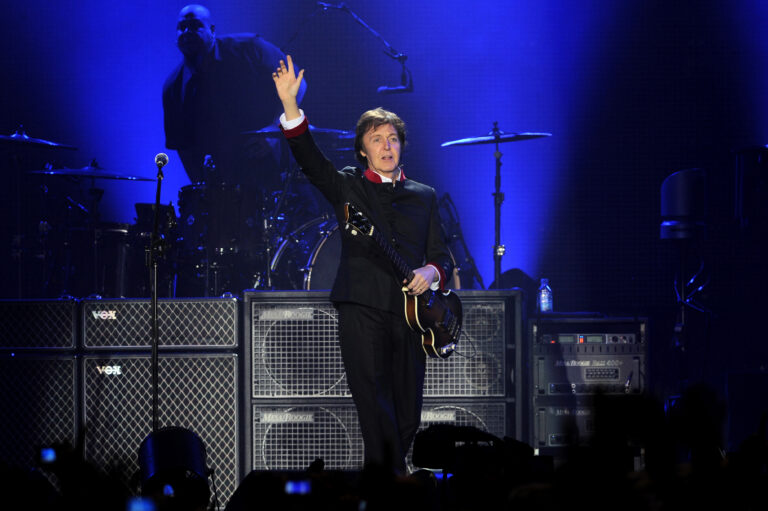
Paul McCartney at the Fonda: What Actually Happened at the March 28 Hollywood Show
Paul McCartney’s March 28 stop at the Fonda Theatre in Hollywood was the kind of show that reminds you why…
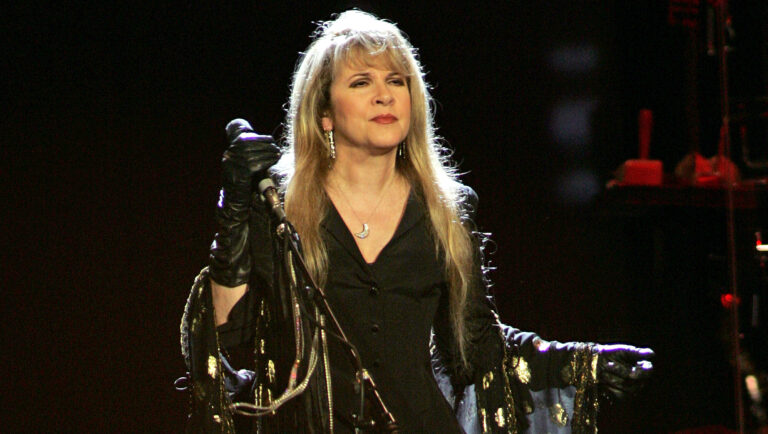
Lindsey Buckingham Hints at Reconciliation With Stevie Nicks: ‘Something That’s in the Air’
Lindsey Buckingham has reopened one of classic rock’s most emotionally loaded storylines, and he did it with a phrase that…

Lou Gramm’s 2026 Tour: Full List of Dates Announced
Lou Gramm is taking the road again in 2026, and the schedule now posted on his official site lays out…
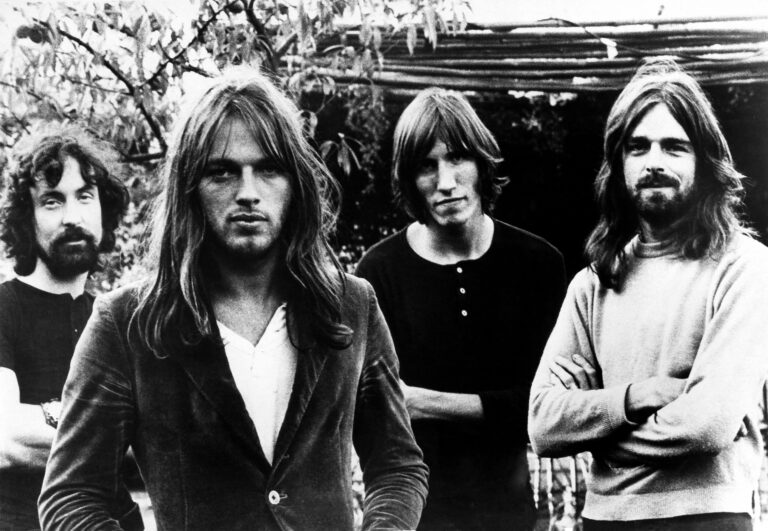
Pink Floyd’s 1975 Los Angeles Sports Arena Concert Gets New Vinyl and CD Life
By the spring of 1975, Pink Floyd occupied a rare place in rock history: they were already one of the…
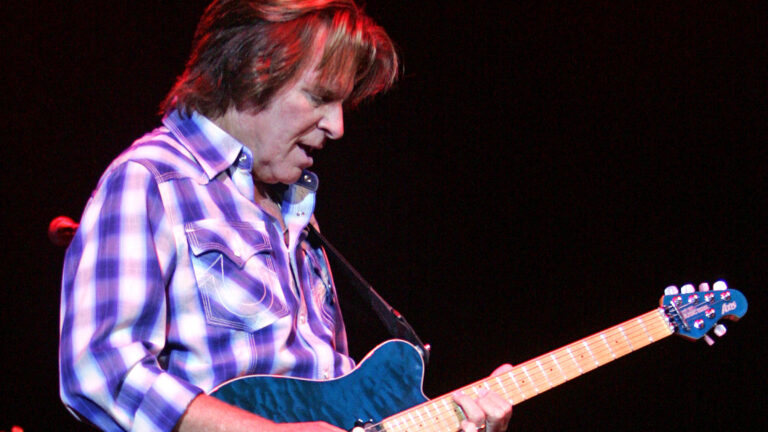
John Fogerty Brings Centerfield Back With a 2026 Re-Release
John Fogerty is taking Centerfield back to the plate, and this time he is doing it with the kind of…
Paul McCartney Returns With New Music, Announces The Boys of Dungeon Lane
Paul McCartney’s latest chapter is no longer rumor. The former Beatle has returned with a new single, “Days We Left…
Elton John Reunites with Rocketman Star Taron Egerton for a Brilliant 79th Birthday Surprise
Elton John marked his 79th birthday with a familiar face by his side: Taron Egerton, the actor who played him…
Bob Dylan: All Announced 2026 Tour Dates
Bob Dylan’s touring calendar for 2026 is now in focus, with a multi-leg U.S. run stretching from late March through…