

Sting on Inheritance, Opera, and Why He Still Won’t Call Himself a Rock Star
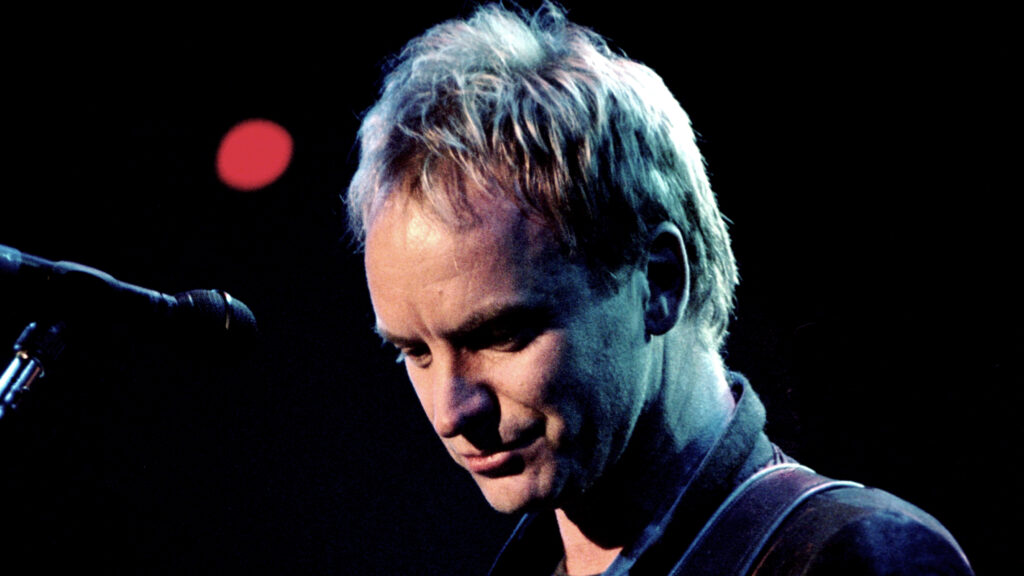
The former Police frontman says telling children they don't have to work is ‘a form of abuse' he hopes never to be guilty of.
Sting made clear in a recent CBS Sunday Morning interview that his six children should not expect to coast on his wealth. The musician, who recently brought his musical The Last Ship to the Metropolitan Opera House, told the program he has pushed his kids toward self-sufficiency rather than offering a financial safety net, framing the decision as an act of kindness rather than austerity.
Sting's Philosophy on Wealth and His Children
Asked about inheritance, Sting was direct. “Guys, you got to work. I'm spending our money. I'm paying for your education. You've got shoes on your feet. Go to work,” he said. He pushed back on any suggestion that the stance is harsh, calling it a form of trust in his children's ability to find their own path. “That's not cruel. I think there's a kindness there and a trust that they will make their own way. They're tough, my kids.”
Sting acknowledged that his children have an “extraordinary work ethic,” which he attributes at least in part to his refusal to tell them they don't have to work. He described that particular message as “a form of abuse that I hope I'm never guilty of.” His six children include Eliot Sumner, a musician, and Mickey Sumner, an actress, both of whom have built independent careers.
Working-Class Roots and The Last Ship at the Met
The philosophy tracks directly to where Sting came from. Before music provided a living, he took whatever work was available. “I took jobs. I worked in an office for a while. I worked on building sites. I went to sea as a musician on a cruise ship, or I taught in a mining village all the time while I was playing in bands,” he recalled.
That background feeds directly into his creative work. Sting recently adapted his musical The Last Ship at the Metropolitan Opera House. The piece pays tribute to the shipbuilders of Newcastle, the city where he grew up. The musical was originally released in 2013, and its arrival at the Met represents a significant institutional staging for a work rooted in working-class industrial heritage.
Despite a career that now spans 15 solo studio albums and five with the Police, Sting resists the rock star label entirely. When asked whether his early ambition was to become a rock star, he answered plainly: “No, I wanted to make a living as a musician. And that still is my how I define myself. I'm not a rock star.”
What we know
- Sting told CBS Sunday Morning he is not leaving his children an inheritance and expects them to work for their own living.
- Sting has six children, including musician Eliot Sumner and actress Mickey Sumner.
- Sting recently adapted his musical The Last Ship at the Metropolitan Opera House; the show pays tribute to shipbuilders in Newcastle and was originally released in 2013.
- Sting has released 15 solo studio albums and five albums with the Police.
- Before his music career took hold, Sting worked in an office, on building sites, as a musician on a cruise ship, and as a teacher in a mining village.
- Sting described telling children they don't have to work as “a form of abuse that I hope I'm never guilty of.”
The take
Sting's comments fit a long tradition of British working-class artists who treat their origins as both a moral compass and a creative engine. The Newcastle shipyard world that produced him also produced The Last Ship, and the fact that the musical has now landed at the Metropolitan Opera House is worth pausing on. The Met is not a typical destination for rock-adjacent musical theater; its programming skews toward the operatic canon. Bringing a piece rooted in post-industrial northern England to that stage signals a genuine crossover between the rock world and classical institutions that has been building slowly for decades, from Pete Townshend's Tommy to more recent orchestral collaborations by artists across the genre. On the inheritance question, Sting is hardly alone among high-net-worth artists in publicly rejecting the idea of generational wealth transfer to children. Figures from Mick Jagger to Elton John have made similar statements over the years. What makes Sting's framing distinctive is the class-consciousness embedded in it: he connects the ethic of work explicitly to his working-class background, treating it as an identity rather than simply a financial strategy. For an artist who has spent decades navigating the tension between his roots and his considerable commercial success, that framing is consistent and, by now, well-established.
Why it matters
For Classic Rock readers, Sting's interview is a reminder that the most durable artists in the genre tend to treat their craft as labor, not lifestyle. His insistence on self-identification as a musician rather than a rock star, combined with the ambition to stage working-class stories at one of the world's most prestigious opera houses, reflects a career built on creative seriousness. The inheritance comments add a human dimension to that picture, showing how the values that shaped his music also shape his family life.
What's next
The Last Ship has completed its run at the Metropolitan Opera House as referenced in the interview. No additional tour dates or staging announcements for the production appear in current sourcing. Sting's CBS Sunday Morning interview has aired and is available through that network's platforms.
Frequently asked questions
Why won't Sting leave his kids an inheritance?
Sting told CBS Sunday Morning he believes telling children they don't have to work is “a form of abuse,” and that pushing his kids toward self-sufficiency is an act of kindness and trust in their abilities.
Who are Sting's children?
Sting has six children. Two who have pursued public careers are Eliot Sumner, a musician, and Mickey Sumner, an actress.
What is The Last Ship and where was it performed?
The Last Ship is a musical by Sting that pays tribute to shipbuilders in Newcastle, where he grew up. It was originally released in 2013 and was recently adapted at the Metropolitan Opera House.
How many albums has Sting released?
Sting has released 15 solo studio albums and five albums with the Police.
Does Sting consider himself a rock star?
No. When asked, Sting said his goal was always to make a living as a musician, adding, “I'm not a rock star.”
Related coverage
Related Stories
Syd Barrett’s 80th Birthday Marked With Cambridge Concert and Star-Studded Tribute Album
A tribute concert at Cambridge Corn Exchange and a new album featuring Pink Floyd, David Gilmour, and David Bowie mark what would have been Syd Barrett’s 80th
Aimee Mann Nearly Skipped Rush Reunion Tour After Geddy Lee’s Email
Aimee Mann reveals she nearly passed on performing ‘Time Stand Still’ with Rush on their Fifty Something reunion tour after receiving an email from Geddy Lee.
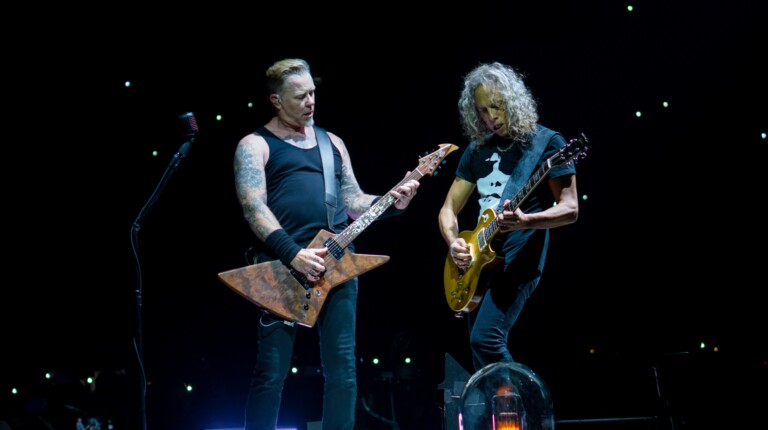
Kirk Hammett Releases Official Video From Frankfurt ‘The Collection: Live’ Event
Kirk Hammett has shared an official video of his May 23 ‘The Collection: Live’ book event at Zoom Saal in Frankfurt, featuring a surprise jam with Robert

Stewart Copeland Says He and Sting ‘Get Along Just Fine’ Despite Royalty Lawsuit
The Police drummer Stewart Copeland opens up about his friendship with Sting, the ongoing royalty lawsuit in U.K. High Court, and calling himself ‘fully

Jon Bon Jovi Declares Full Vocal Recovery, Announces Massive Tour Dates
Jon Bon Jovi says he’s ‘fully recovered’ from 2022 vocal cord surgery as Bon Jovi announce a nine-night MSG residency and UK/Ireland stadium shows for 2026.
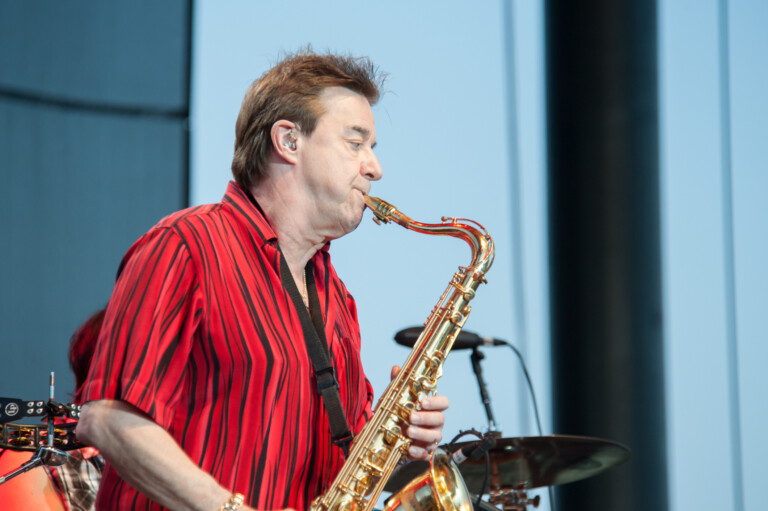
Walter Parazaider, Founding Saxophonist of Chicago, Dead at 81
Walter Parazaider, the founding saxophonist and creative architect of Chicago, died June 17 at 81 after a six-year battle with Alzheimer’s disease.
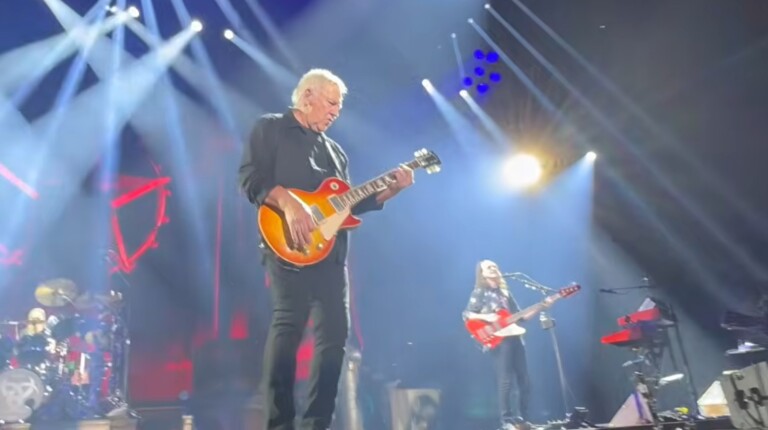
Rush Thanks Fans After Inglewood Opener
Rush kicked off the Fifty Something Tour in Inglewood with Alex Lifeson, Geddy Lee, and Anika Nilles. The band thanked fans after four opening nights.
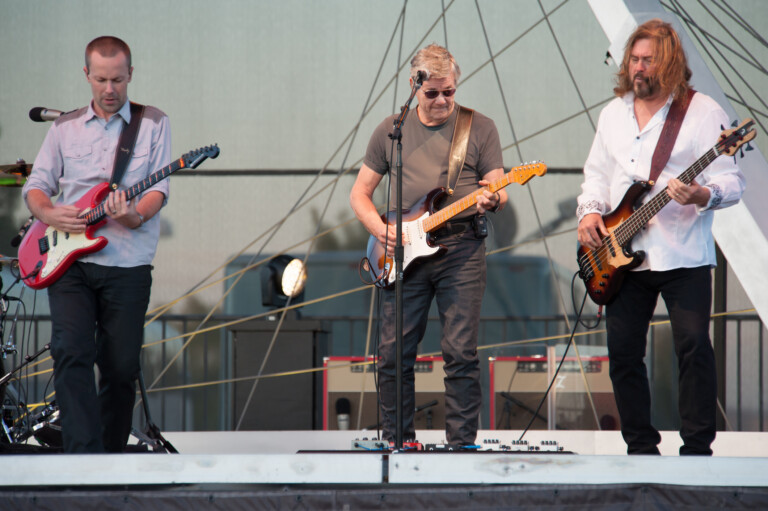
Steve Miller Books Two Fall 2026 Concerts at NYC’s Rose Theatre
Steve Miller confirms two concerts at Frederick P. Rose Hall in New York City on Oct. 9 and 10, 2026, honoring his blues and jazz heroes.
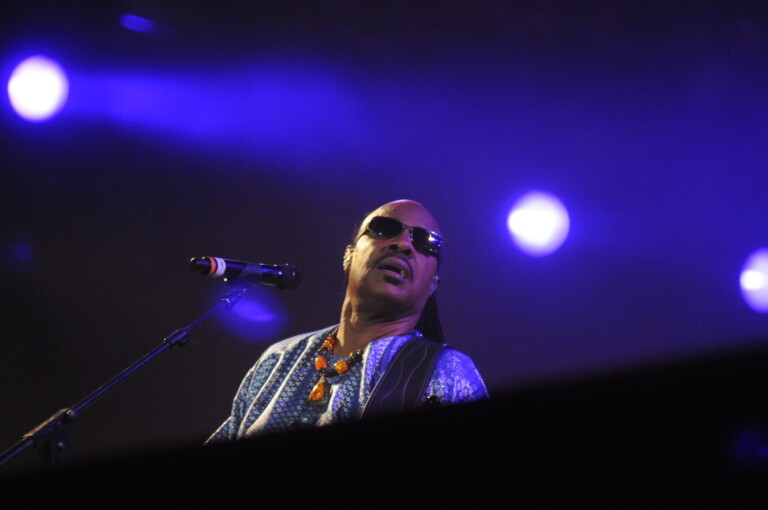
Springsteen, Bono, Stevie Wonder, Eddie Vedder Headline Obama Presidential Center Opening
Bruce Springsteen, Bono, The Edge, Stevie Wonder, Eddie Vedder, Jennifer Hudson and more headline the Obama Presidential Center grand opening on June 18.