

Zak Starkey Reflects on Playing With Oasis in New York Post
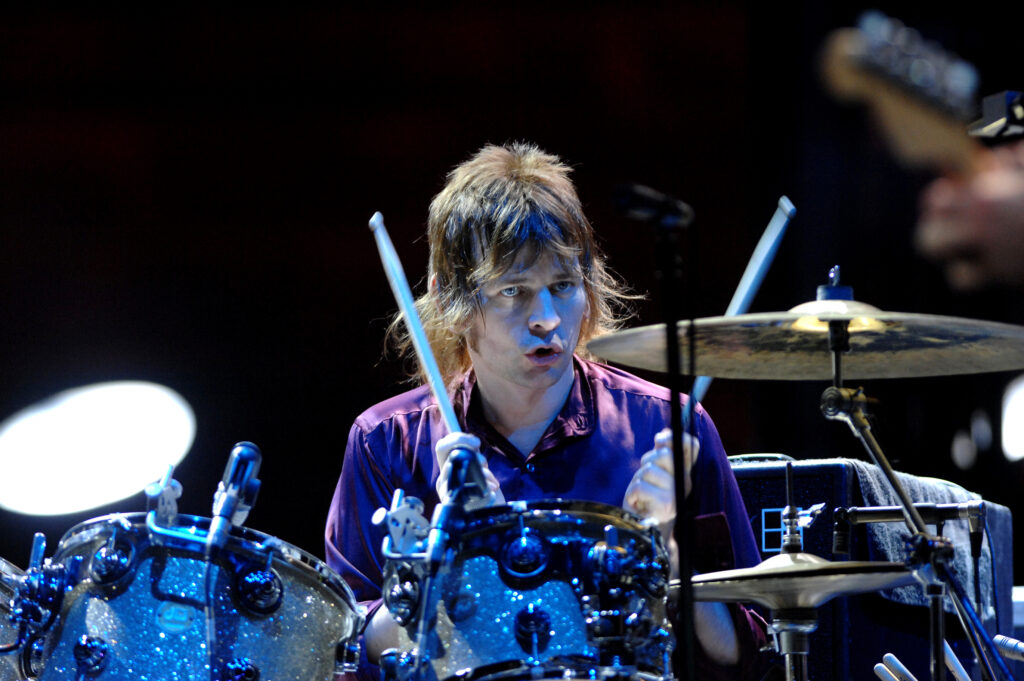
Zak Starkey is looking back on his time behind the drum kit for Oasis, offering rare insight into his years with the band in a recent interview with The New York Post. Starkey, best known as the longtime drummer for The Who and as the son of Ringo Starr, spoke candidly about what it was really like to tour and record with the Gallagher brothers during Oasis’ mid-2000s era.
“All We Did Was Laugh”
Starkey played with Oasis from 2004 through 2008, a period that included extensive world tours and studio work on albums such as Don’t Believe the Truth and Dig Out Your Soul. Despite Oasis’ reputation for internal conflict, Starkey said his experience was far calmer than fans might expect.
According to Starkey, the band dynamic during his time was relaxed and professional. He told the New York Post that the members got along well and that rehearsals and shows ran smoothly. He added that there was far more humor than hostility, directly contradicting the long-standing narrative of constant tension between brothers Liam and Noel Gallagher.
Touring and Recording During a Key Era
Starkey joined Oasis at a crucial moment when the band was regaining commercial and critical momentum. His drumming became part of the group’s live sound during a period when Oasis were headlining festivals and selling out arenas worldwide.
In the interview, Starkey emphasized that the band took their performances seriously, even if their public image suggested chaos. He credited the group with being disciplined on the road and focused in the studio, saying that the music always came first.
Not Part of the Reunion Lineup
The New York Post interview also addressed why Starkey was not involved in the band’s recent reunion activity. While Oasis have returned to the stage with a different drummer, Starkey made it clear there is no bitterness on his part. He said he remains on good terms with his former bandmates and looks back on his years with Oasis with fondness.
Rather than expressing disappointment, Starkey framed the situation as a natural part of how legacy bands evolve, noting that reunions often involve new lineups and fresh creative decisions.
Looking Ahead
Today, Starkey continues to explore new musical projects while reflecting on a career that includes some of rock’s most influential acts. His comments about Oasis offer fans a rare behind-the-scenes perspective on a band often defined by controversy rather than collaboration.
For Oasis fans, the interview adds nuance to the band’s history and highlights a chapter that was, by Starkey’s account, far more joyful and productive than its reputation suggests.



Related Stories
Graham Nash Announces 2026 Tour: Full List of Dates
Graham Nash is heading back on the road in 2026 with a 20-date run that stretches from the Northeast to…
Dave Davies Hits Back at Moby Over ‘Lola’ Trans Criticism
Dave Davies has fired back at Moby after the electronic artist criticized The Kinks’ 1970 classic “Lola,” opening up a…
Bryan Adams Maps a 95-Date 2026 Tour Run Across Three Continents
Bryan Adams is treating 2026 like a full-spectrum world campaign, not a nostalgic victory lap. The currently posted itinerary spans…
The Doobie Brothers Announce 2026 Walk This Road Tour With Full Date List
The Doobie Brothers are doing more than a short fall swing in 2026. The band’s Walk This Road campaign now…
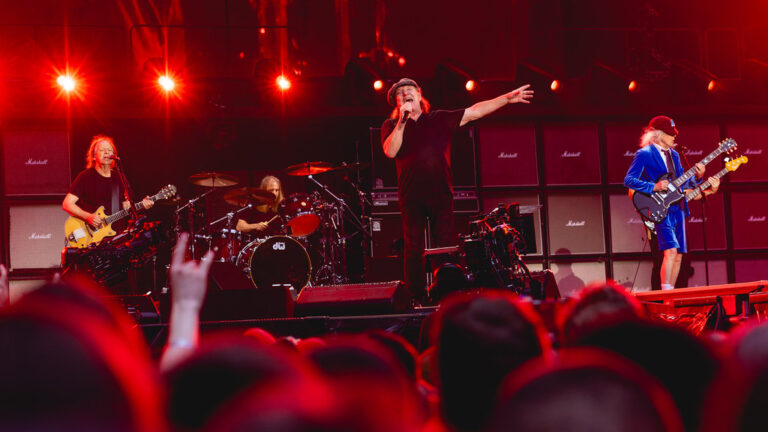
AC/DC’s Stevie Young Hospitalized in Buenos Aires as Power Up Tour Enters Critical Stretch
AC/DC guitarist Stevie Young has been hospitalized in Buenos Aires for precautionary testing, raising fresh concern as the band heads into key South American and North American dates.
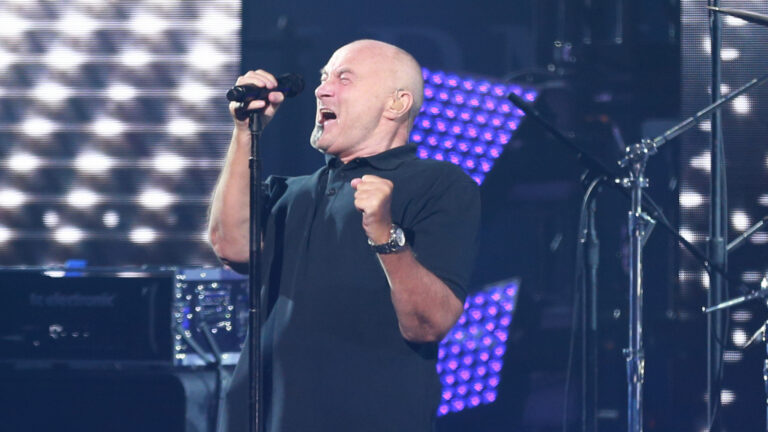
Phil Collins Falls to No. 2 in Rock Hall Fan Vote, but the 2026 Race Is Far From Over
Phil Collins has been overtaken by New Edition in the 2026 Rock and Roll Hall of Fame fan vote, highlighting a competitive final stretch before voting closes April 3.
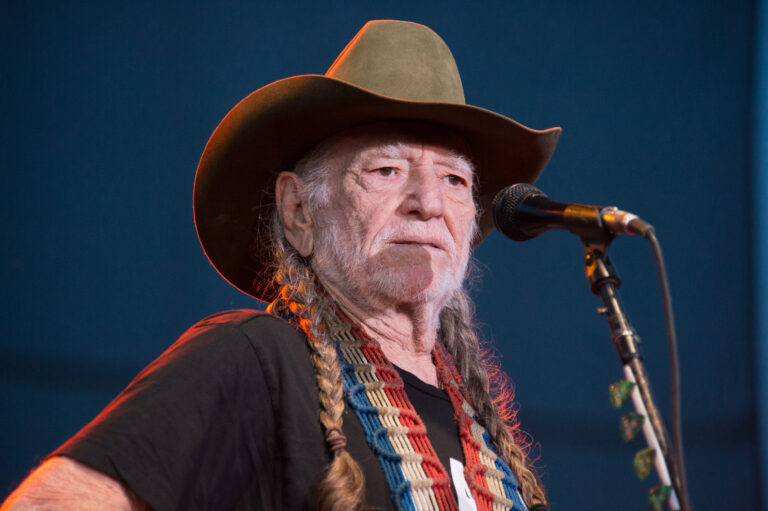
Willie Nelson Announces New Album Dream Chaser, Featuring a Track Penned By Bob Dylan
Willie Nelson has announced Dream Chaser, a new album due in May 2026, featuring a Bob Dylan co-write and an early title-track preview.
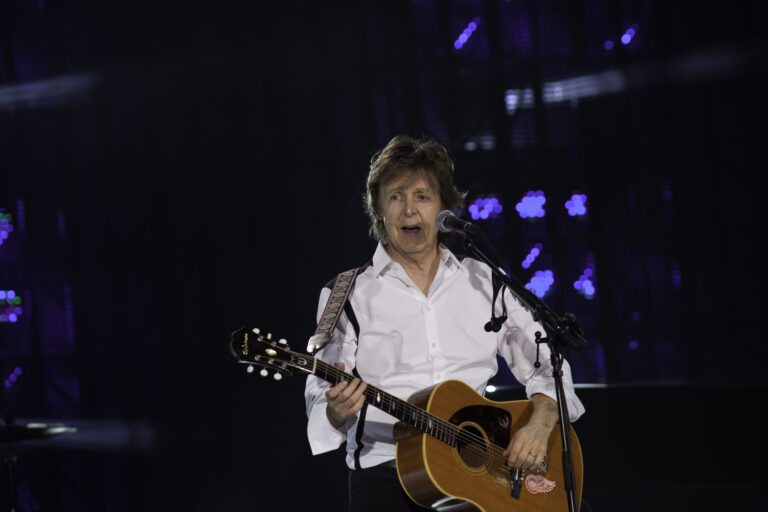
Paul McCartney at the Fonda: Why Two Intimate L.A. Nights Feel Like a Major Rock Moment
Paul McCartney is heading back into small-room mode, and that alone is enough to scramble the Los Angeles live-music pecking…
Kid Rock’s Conan Oscars Clapback Fuels ‘Sore Loser’ Backlash
Kid Rock has spent years selling himself as the guy who can take a punch, throw one back, and keep…