

Taylor Swift Wins Copyright Lawsuit Over Lyrics as Judge Dismisses Poet’s Claims

Judge Aileen Cannon ruled that ‘common observations’ and ‘ubiquitous metaphors’ do not constitute protected expression under copyright law.
Taylor Swift scored a legal victory on Monday, July 6, when Judge Aileen Cannon dismissed a copyright lawsuit brought by self-published poet Kimberley Marasco, who had alleged that Swift lifted lines and inspiration from her poems across more than a dozen songs on albums including The Tortured Poets Department, Midnights, Evermore, and Folklore. The judge found no protected expression at issue, and Swift’s legal team wasted no time calling the case what they believe it always was.
What the Court Decided
Judge Cannon’s dismissal turned on a foundational principle of copyright law: ideas, themes, and short phrases are not protectable. In her ruling, she found that the only common threads between Marasco’s poems and Swift’s songs were ‘common observations,’ ‘ubiquitous metaphors,’ and vague references to gaslighting.
“The allegedly infringed material — basic ideas, themes, metaphors, isolated words, and short phrases — is not protected expression and cannot be infringed,” Cannon wrote. That language tracks closely with long-established copyright doctrine, which protects specific creative expression rather than general concepts or everyday figures of speech.
Swift’s Legal Team Responds
Swift’s attorney Douglas Baldridge did not mince words after the ruling. “This is plaintiff’s second frivolous and harassing lawsuit” against the artist, Baldridge said, adding that the case was “absurd and legally baseless.” The reference to a second lawsuit signals that Marasco had previously brought related claims against Swift, making this dismissal part of a longer pattern of litigation.
Marasco, for her part, has pledged to appeal the decision, meaning the matter may not be fully resolved.
A Pattern of Copyright Challenges for Swift
This is far from the first time Swift has faced copyright allegations. In 2023, a federal judge dismissed with prejudice a case filed by Mississippi poet Teresa La Dart, who alleged that Swift’s 2019 album Lover copied the title, color scheme, and format of La Dart’s self-published poetry collection of the same name.
More recently, following the release of Swift’s album The Life of a Showgirl, Las Vegas-based performer Maren Flagg claimed that the branding around the record infringed on her registered trademark ‘Confessions of a Showgirl.’ Swift has consistently prevailed in these disputes, though each new case requires its own legal defense.
The Broader Moment for Swift
The dismissal arrived just days after Swift married American football player Travis Kelce, whom she has dated since 2023. The wedding took place at Madison Square Garden on July 3, 2026, and featured performances from Ed Sheeran, Selena Gomez, and the Haim sisters.
With the lawsuit behind her for now, Swift has considerable reason to celebrate, though Marasco’s stated intention to appeal means the legal chapter is not entirely closed.
What we know
- Judge Aileen Cannon dismissed Kimberley Marasco’s copyright lawsuit against Taylor Swift on Monday, July 6.
- Marasco alleged Swift stole lines and inspiration from her poems for over a dozen songs on albums including The Tortured Poets Department, Midnights, Evermore, and Folklore.
- Judge Cannon ruled that ‘common observations,’ ‘ubiquitous metaphors,’ and vague references to gaslighting were the only common threads between the two artists’ work.
- Swift’s attorney Douglas Baldridge called the case ‘absurd and legally baseless’ and noted it was Marasco’s second lawsuit against Swift.
- Marasco has pledged to appeal the dismissal.
- In 2023, a federal judge dismissed with prejudice a separate copyright case filed by Mississippi poet Teresa La Dart over Swift’s album Lover.
- Taylor Swift married Travis Kelce at Madison Square Garden on July 3, 2026, with performances from Ed Sheeran, Selena Gomez, and the Haim sisters.
The take
Copyright litigation targeting major songwriters has become a recurring feature of the music industry landscape, and Swift’s catalog has drawn more than its share of claims. What makes the Marasco case notable is how squarely it ran into the idea-expression dichotomy, one of copyright law’s most durable limits. Courts have consistently held that metaphors, common phrases, and thematic concepts belong to the public domain of language; only specific, original expression earns protection. Judges have applied that standard to dismiss similar claims against artists ranging from Led Zeppelin to Katy Perry, and Cannon’s ruling fits comfortably within that tradition. The pattern around Swift is worth noting: multiple plaintiffs, across poetry and trademark, have brought claims tied to her albums in a relatively short window. Each case has ultimately failed on its merits, but the cumulative legal overhead for any artist at Swift’s commercial scale is substantial. Marasco’s intention to appeal suggests this particular dispute will linger in the courts, though the underlying ruling gives Swift a strong foundation. For the broader songwriting community, the outcome reinforces that lyrical inspiration drawn from shared human experience does not automatically create copyright liability, a principle that matters well beyond any single artist’s catalog.
Why it matters
For Classic Rock and pop fans alike, high-profile copyright suits cast a shadow over how songwriters work and how freely they can draw on common emotional and poetic language. A ruling that clearly delineates unprotectable ideas from protectable expression helps preserve creative space for all artists. Swift’s repeated victories in these cases also signal that courts are willing to apply copyright doctrine rigorously rather than allowing vague similarity claims to proceed, which has implications for the entire music industry’s approach to litigation.
What’s next
Marasco has stated her intention to appeal Judge Cannon’s dismissal, so the case will likely move to a higher court. Separately, the trademark dispute brought by Maren Flagg over the branding for The Life of a Showgirl has not been resolved in the sources available, and its status remains an open question.
Frequently asked questions
Who sued Taylor Swift over her song lyrics?
Self-published poet Kimberley Marasco filed the lawsuit in 2024, alleging Swift stole lines and inspiration from her poems for songs across multiple albums.
What was the outcome of the Taylor Swift copyright lawsuit?
Judge Aileen Cannon dismissed the case on July 6, ruling that the shared material consisted only of common observations, ubiquitous metaphors, and short phrases, none of which are protected under copyright law.
Will Kimberley Marasco appeal the dismissal?
Yes. Marasco has pledged to appeal the decision, meaning the legal dispute may continue.
Has Taylor Swift faced other copyright lawsuits?
Yes. In 2023, a federal judge dismissed with prejudice a case by poet Teresa La Dart over the album Lover, and performer Maren Flagg has raised a trademark claim related to The Life of a Showgirl.
Where did Taylor Swift and Travis Kelce get married?
Swift and Kelce were married at Madison Square Garden on July 3, 2026, with performances from Ed Sheeran, Selena Gomez, and the Haim sisters.
Related coverage
TOP STORIES





Related Stories
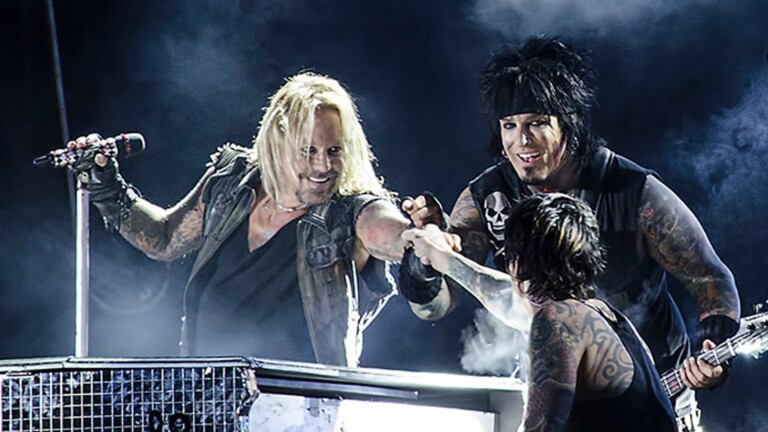
Motley Crue Sets 2027 ‘Carnival of Sins in Sin City’ Residency at Caesars Palace
Motley Crue has unveiled an eight-show Las Vegas residency, ‘Carnival of Sins in Sin City,’ set for The Colosseum at Caesars Palace from March 19 to April 3, 2027.
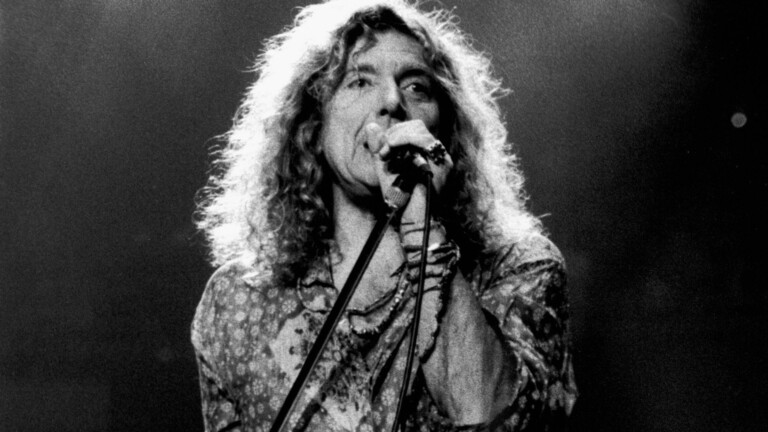
Led Zeppelin Lets ‘Stairway to Heaven’ Soundtrack a Movie Trailer for the First Time, for Greta Gerwig’s Narnia Film
Led Zeppelin has granted permission for ‘Stairway to Heaven’ to appear in a film for the first time, backing the debut trailer for Greta Gerwig’s Narnia: The Magician’s Nephew.

Cheap Trick 2027 Concert Dates Announced
Cheap Trick has booked its first three concert dates for 2027, set for February and April, as the band’s ongoing All Washed Up Tour continues through the fall of 2026.
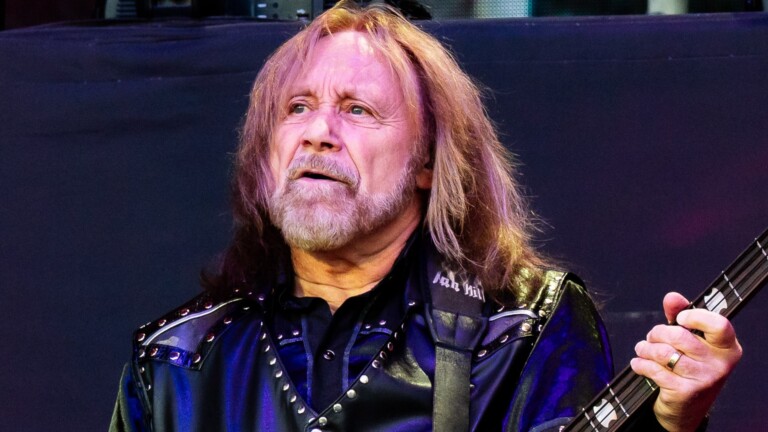
Judas Priest’s Ian Hill Retires After 57 Years, Longest-Serving Member
Judas Priest founding bassist Ian Hill has stepped away from the band after 57 years, citing worsening arthritis and a torn shoulder tendon, with Uriah Heep’s Davey Rimmer set to take his place on bass starting with the band’s 2027 touring.
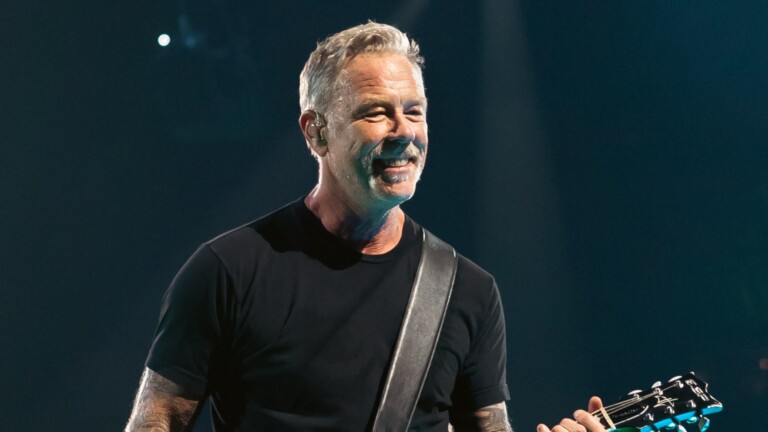
James Hetfield Tells Sphere Crowd Metallica Won’t Push a Political Agenda
James Hetfield addressed the Las Vegas Sphere crowd on October 10, 2026, drawing a line between Metallica and other entertainers who use their platforms for political messaging.
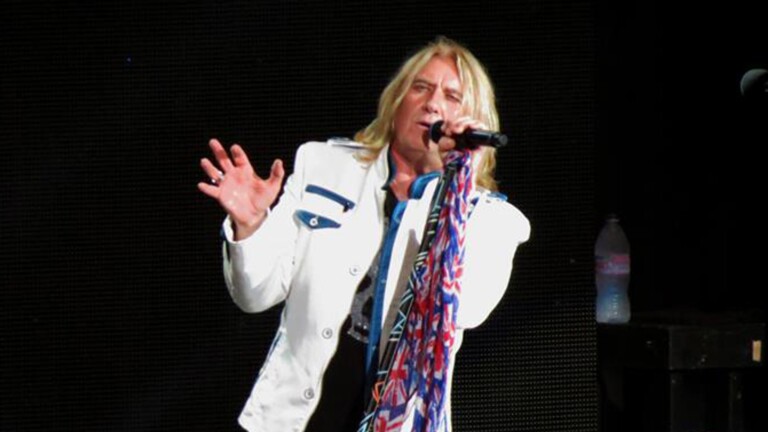
Def Leppard Announces Massive 2027 Tour With Goo Goo Dolls, The Struts
Def Leppard will co-headline a 45-date 2027 North American tour with Goo Goo Dolls, joined by The Struts, running from March 2 in Allentown, Pennsylvania through July 2 in Indianapolis, Indiana.

Alice Cooper Opens Up on Crack Addiction That Nearly Killed Him and Nearly Ended His Marriage
Alice Cooper’s new memoir ‘Devil on My Shoulder’ and a companion interview with The Telegraph detail how his crack cocaine use in the late 1970s and early 1980s brought him close to death and nearly cost him his marriage.
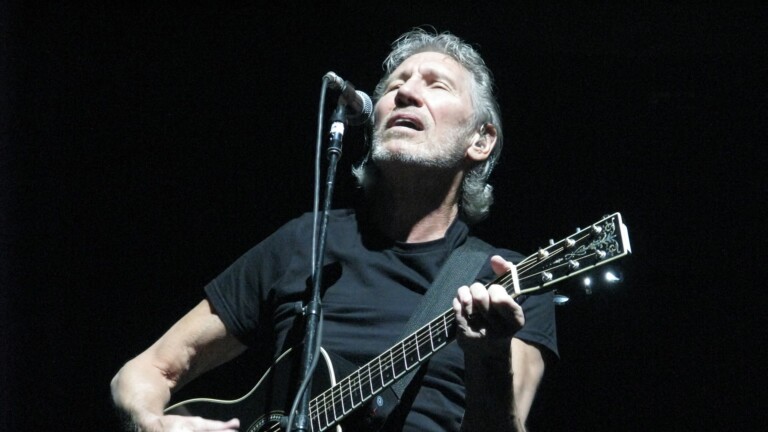
Roger Waters and Son Harry Waters Launch Pink Floyd Tribute Tour ‘LEGACY’ for 2027
AEG Presents and ICON LIVE have announced ‘Roger Waters Presents LEGACY: A Pink Floyd Show,’ a new touring production led musically by Harry Waters and launching February 15, 2027 in Columbus, Georgia.
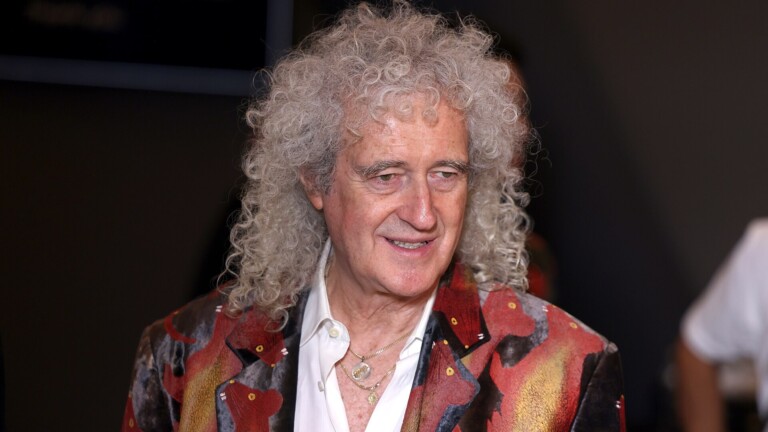
Brian May Says Queen’s Touring Days Are Over
Brian May says he and Roger Taylor quietly agreed a year and a half ago that Queen would not tour again, a choice shaped by the death of a close family friend while the band was on the road in America.